


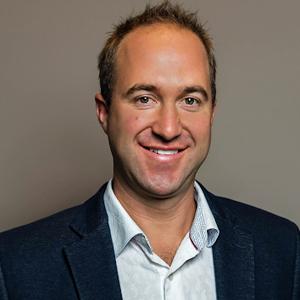
Kevin Anderson is the Founder and CEO of Kevin Anderson & Associates, a global leader in professional book-writing, editing, and publishing navigation services. A #1 New York Times best-selling editor, national best-selling author, entrepreneur, and investor, Kevin has built KAA into an industry-leading firm with a team of former Big-5 executive editors, literary agents, and best-selling writers. Since founding the company in 2007, he has helped launch thousands of authors and contributed to hundreds of national and international bestsellers. Kevin is also the Founder of Dissertation Editor and the co-author of the Wall Street Journal bestseller PhDone.


Here’s a glimpse of what you’ll learn:
- [2:38] How books create lasting authority through depth, expertise, and timeless impact
- [5:24] Writing a book as a journey of self-discovery for entrepreneurs and founders
- [11:02] The role of endorsements and traditional publishers in signaling elite-level trust
- [15:30] Kevin Anderson shares Tom Golisano’s strategy for writing a business book before a memoir
- [20:39] Examples of founders using books to unlock partnerships, conferences, and visibility
- [23:46] ROI sources for books: opportunities, PR, SEO, and authority
- [29:31] How books can serve as internal culture resources and rallying points for companies
- [36:45] Kevin addresses founders’ objections to writing a book
- [44:59] Lessons Kevin learned from writing for performers and experts
- [52:01] Kevin reflects on growing up on a farm, doing rugged jobs, and developing an obsession with optimization
In this episode…
Books can elevate ideas beyond the noise of social media and fast-moving content. They don’t just share information — they build credibility, trust, and lasting authority in a way few other mediums can. How can publishing a book open doors for founders?
According to best-selling editor and publishing expert Kevin Anderson, books signal depth, expertise, and timeless value, making them a powerful tool for entrepreneurs who want to stand out. He notes that the ROI isn’t in book sales, but in the opportunities that follow: media visibility, stronger SEO authority, and increased trust from high-level audiences. Kevin encourages founders to publish before they think they’re ready, focusing on solving readers’ problems rather than waiting to feel like they’ve accomplished enough. A well-positioned book becomes a long-term asset that compounds influence over time.
In this episode of the Up Arrow Podcast, William Harris talks with Kevin Anderson, Founder and CEO of Kevin Anderson & Associates, about how books help founders build authority and unlock new opportunities. Kevin discusses why books create lasting credibility, how they generate ROI through media and visibility, and how founders can maximize impact after publication.
Resources mentioned in this episode
- William Harris on LinkedIn
- Elumynt
- Kevin Anderson: LinkedIn | Email
- Kevin Anderson & Associates
- PhDone: A Professional Dissertation Editor's Guide to Writing Your Doctoral Thesis and Earning Your PhD by Dr. Allen Roda, Dr. Lauren Saunders, and Kevin Anderson
- James Brackin IV on LinkedIn
- Read Your Mind: Proven Habits for Success from the World's Greatest Mentalist by Oz Pearlman
- Unreasonable Hospitality: The Remarkable Power of Giving People More than They Expect by Will Guidara
- Principles: Life and Work by Ray Dalio
- Amp It Up: Leading for Hypergrowth by Raising Expectations, Increasing Urgency, and Elevating Intensity by Frank Slootman
Quotable Moments
- “A book is timeless. Articles, posts, social media, they come and go, whereas a book lasts.”
- “Writing a book is very formative; it’s a real journey of self-discovery.”
- “The ROI comes in the opportunities that it opens up, the visibility that it gives.”
- “Your best teacher is usually someone that’s recently accomplished where you want to be.”
- “People will remember how they felt. They will remember the experience. They won’t remember the details.”
Action Steps
- Publish a book to establish authority: A book signals depth and expertise in a way short-form content cannot. It builds long-term credibility, opening doors to media coverage, partnerships, and trust.
- Focus your book on solving a reader’s problem: Practical, application-driven books resonate more than personal memoirs for most audiences. Clear value helps attract publishers and buyers and has a lasting influence.
- Leverage your book for media and visibility: A newly released book creates a timely reason for podcasts, TV, and press opportunities. This visibility often generates far more ROI than book sales alone.
- Use your book as a business development tool: Founders can turn books into tangible assets for sales meetings, recruiting, and client trust-building. It becomes a memorable resource that reinforces your message beyond a pitch deck.
- Create an experience, not an imposition: Whether in sales, leadership, or customer service, subtle framing makes interactions feel like a gift. People remember how you made them feel, and that emotional impact drives loyalty.
Sponsor for this episode
This episode is brought to you by Elumynt. Elumynt is a performance-driven e-commerce marketing agency focused on finding the best opportunities for you to grow and scale your business.
Our paid search, social, and programmatic services have proven to increase traffic and ROAS, allowing you to make more money efficiently.
To learn more, visit www.elumynt.com.
Episode Transcript
Intro 0:00
You. Welcome to the Up Arrow Podcast with William Harris, featuring top business leaders, sharing strategies and resources to get to the next level. Now let's get started with the show.
William Harris 0:13
Hey everyone. I'm William Harris. I'm the founder and CEO of Elumynt and the host of the Up Arrow Podcast, where I feature the best minds in e-commerce and beyond to help you scale from 10 million to 100 million as you upgrade your business and your personal life, building a company changes you, but building authority changes how the world responds to you. Today's guest has spent his career helping leaders cross that invisible line from successful to undeniable. Kevin Anderson grew up poor on a farm in rural Canada, worked oil rigs and rodeos, and eventually became a number one New York Times Best Selling editor, a number one national best selling author, founder of multiple seven and eight-figure businesses and the CEO of the prestigious book writing firm, Kevin Anderson & Associates. He's helped create over 600 national best sellers and worked with billionaires, celebrities and founders who wanted their ideas to outlive them. This conversation is about why books still matter, what they unlock beyond sales, and how founders can think about legacy without losing focus on growth. Kevin, welcome to the Up Arrow Podcast. Thank you. Happy to be here. I do want to give a quick shout out to James Brackin, over at BookThinkers for putting us in touch. James, I appreciate you. Man, yeah, thanks, James, great to work with. Yeah. So last interruption, and then we'll get right into the good stuff. This episode is brought to you by Elumynt. Elumynt is an award winning advertising agency optimizing e-commerce campaigns around profit. In fact, we've helped 13 of our customers get acquired, with the largest one selling for nearly 800,000,001 that ipoed. You can learn more on our website at Elumynt.com, which is spelled elumynt.com, okay, there was an episode, I don't know if you remember this of Boy Meets World, where Mr. Feeney tells Corey Matthews, he goes, it's in the book, it's on the board, it's in the book. And I think the point that he was trying to make was true. Wisdom comes from life experience, not just memorizing facts. And I think a lot of founders can relate to that. We tend to be the get stuff done mentality, where we bury our noses in our spreadsheets and ideas and power through. And that drives a lot of our early success, and then we get stuck because we forget about the second part of that quote. It's in the book. Eventually, the best things, the best moments, the best ideas, they get, written down in a book, memorialized for posterity, a legacy. We have tons of new media podcasts like this one, but there's still just something about books that seems to cement someone as a true thought leader. Kevin, why do you think that is?
Kevin Anderson 2:38
Yeah, well, there's a lot of reasons. You know, a book is a longer piece, and it's not like a quick article or a blog post. I mean, you really have to have something weighty to say if you're going to use up 200 to 300 pages to say it. I mean, it has a lot of depth to it, which, in alone, in and of itself, shows that you have to be an expert on the topic or have something meaningful to say that can't just be captured in a short form. And the you know, the other, the other major thing is that, you know, book, a book is timeless. You know, articles, posts, social media, you know, they come and go, they're quick, they're in and out, whereas a book is something that lasts a long time. I mean, we're still reading books that were released hundreds, hundreds of years ago, and so it really does last the test of time.
William Harris 3:28
Let's talk about the hidden game you told me that you can't buy your way on the Bloomberg or Good Morning America. But interestingly, everybody seems to have a book that's on there. What's the unspoken rule that media seems to follow that founders don't understand.
Kevin Anderson 3:43
Yeah, I mean, media wants relevant experts that are relevant and up to date on the topic, right? So, so when they're looking for someone to comment on a certain topic, or they want to have a guest on to to inform on on whatever is trending, they're going to want someone, ideally, who has a book on the topic that shows, again, you know, it shows, if they've got a whole books worth of stuff to say about it, they must know something about it and be some sort of an expert. And if it's a book that's released recently, especially, then they feel like it's going to be, it's going to have updated information, that they're going to be able to give value to their their audience. So, yeah, you'll, you'll notice time and again when, when there's guests on certain shows or talking heads, or even on podcasts, they'll often have a book that's recently released, because they are looking for subject matter experts that are not only subject matter experts on the topic, but in, you know, that are recently so, so you're not going to be looking for, you know, an AI expert that came out with a book, you know, five years ago, sure, looking for someone that just published a book on AI to give some some knowledge and insight on on the topic.
William Harris 4:51
Yeah, I think it's interesting when you think about that, because the the immediacy of all of the different things that are on, you know, let's say YouTube, even for instance, or Tiktok. I can like, there is some like, immediate relevancy. But to your point, it doesn't take a whole lot to really think through some of those things, and it does. There's really, really good videos, but to be able to put that all into a book. To your point, it's like there's something about like, I've even found myself I learn from writing. I feel like I get better at whatever it is that I'm trying to explain in the process of writing this out in a blog post. I can only imagine that that's even amplified more by writing a book.
Kevin Anderson 5:24
Yeah, absolutely. And most authors, when they start writing their book, it's amazing to see, as they go through the process of writing, what comes out, like stuff they didn't even think was going to be in the book starts to come out as you really, you know, it's hard. A lot of entrepreneurs, especially, and founders, you know, they don't realize how much of their knowledge and their skills are just innate and that are just inside their brain, and they just do these things automatically in the course of their in the course of leading their businesses or growing their businesses, when you have to start to put it into words and organize it into a framework that has a table of contents and that flows logically from One thing to another and covers all the topics. You know, it's it's really formative. It really helps you to identify exactly kind of what you do and why and how and you we found that, especially with business owners and executives, they often don't even realize what it is that they do and why they do it so well until they put it into a book, because they're forced to put it into words. Into words and really identify what it is exactly that's making them tick or making them into a good leader. And so, yeah, so yeah, writing a book is very formative. It's a real journey of self discovery.
William Harris 6:34
When you're somebody who's, let's just say, at Good Morning America, and you're looking for the guests that you want here, and you said that there's something about a book that helps what helps what, specifically, what boxes does a best selling book seem to check that a podcast or blog or some of the viral content just doesn't seem to capture?
Kevin Anderson 6:52
Yeah, there's something, you know, people are are genuinely and you know, rightfully so, can be skeptical of of just number of views or number of likes, you know, I mean, who knows what those likes are? Someone's got a billion or billion followers, well, not a billion followers, but you might have a billion views on a music video, for instance. I think Sabrina Carpenter has a few of those and or a video might have, you know, 300,000 likes. But where are they coming from? You know, there's a lot of, obviously, you know, there's a lot of Tom poolery that goes on with spiking likes and different things that are going on, you know, electronically that you know to kind of make us not trust the numbers. But when you have a book, something that's got, like a New York Times best seller, or USA Today, best seller something you know that that's a real mark of of of integrity and authenticity, and also just of authority. So, so when they, when, when some when a, when a, when a show like Good Morning America is looking for an author to place on their show. And you know, if it has, if it's a New York Times best selling author that has a lot of weight and credibility to it that they can't just say, you know, their videos get 100,000 likes, you know, I mean, that's impressive, but it's not as it's not as trusted. You know, The New York Times Best Seller list has been around for a long time, and to be able to hit that list is really prestigious. So it's something that carries a lot of weight with a lot of different media.
William Harris 8:24
Yeah, there's different trust factors, right? And so I'm gonna, I want to come to that, but I have to take a slight tangent. You mentioned Sabrina carpenter. I didn't anywhere to go there. I have teenage daughters. I'm quite familiar with a lot of Sabrina Carpenter's music. What's your favorite Sabrina carpenter
Kevin Anderson 8:37
song right now? Oh my gosh. I like the, the please, please, please. I know it's old, but that's a great that's a great song. It gets stuck in my head. It's catchy. I'm a 15 year old girl, so I I know more. Yeah, I'm fully versed on modern pop music. But you know what's amazing about the You know what's amazing now, though, with the with with these kids, like she's 15, but because of the access that they have to music. I mean, she she goes down the route. She knows all the 80s songs. She knows, she knows Led Zeppelin, she knows Beatles, you know. She goes, she has instant access. You know, when we were going to be able to go to record store, you know, or you could hear it on the radio. Maybe, if you're lucky, I didn't have FM radio where I grew up, so I couldn't even, you know, hear, hear what the latest pop or rock hits were, but yeah. So it's yeah. So she just has everything, like one, it's one song will be yo, it'll be Pink Floyd, and the next will be Sabrina carpenter. It's hard to keep up
William Harris 9:33
a good diverse range, but you got to throw a little poke in there to really round
Kevin Anderson 9:37
her out. Yeah. We'll see. Yeah. The only Polka she knows is what is from home alone when they're in the bus with John Candy? I think that's the extent of her poke knowledge.
William Harris 9:46
I mean, that's a good entry song, a good gateway into polka. Okay, so back to this trust and to your point. So what's interesting about musicians and why I like this is I've found something similar to be true in music as well. Those other things. When it comes to trust, there's the billion views, things like that, and let's just say like the pop the mainstream trust, authority. But then there's like, this niche authority, and I find this for a lot of E commerce brands as well, where you can find something that maybe a lot of people think is cool, but it doesn't become truly cool or almost iconic until like, it's like, the elite people within that space also think it's cool. And when they do that, all of a sudden the masses go after and that's where you find like this really good. I don't know, like this this, this moment where things catch on fire, and I feel like that's maybe true, then, based on what you're saying, even with like this book, where it's like, there are a lot of other ways, and these other media formats can give you some of this initial reach, but then that book cements you not just with the general public, but with the elite, and the elite. Then in whatever that space, they have something to point to and say, Yeah, this is legit. You know what you're talking about. You know what you're doing, and that almost gives permission to everybody else to kind of jump on that bandwagon a little bit? Yeah, yeah, absolutely,
Kevin Anderson 11:03
yeah, for sure. You know when you have, for instance, a classic example is getting a notable a PhD in your subject matter. Will put a forward or put a put an endorsement. I mean, endorsements in general can be really effective because they show the caliber of person that's introduced that agrees with you, or is at least supporting your ideas that you have in the book, and that authority piece is really interesting because and then this is a reason why some self published authors can really struggle, because they don't. When you have a self published book, you're there's no editorial review, there's no editorial filter, anyone can self publish anything. So when you're trying to get media, that's the reason. I mean, there's lots of reasons to Self Publish. Don't get me wrong. We're, I'm definitely publishing agnostic. There's lots of great reasons someone should self publish or use a hybrid publisher. But when? But when you're trying to get that real a quality elite media, it's going to be really tough. And when you have with a self published book, when you have something like Harper Collins stamped on the back of it, or Random House that signals to them that there's been a vetting process, that there's been professional editors that have reviewed this, they're not going to have something embarrassing that's going to be in this book. And so that's that's one of the big reasons why, not just like a best seller, but just having a traditional publisher can help open a lot of doors for for authors and get them, like you said, that kind of prestige, high caliber endorsements that can really give something that credibility, beyond just being kind of a sensation, You know, I mean, the reverse can happen. You can definitely still get there with a self published book, but there's just so many things that have to happen, like, you know, to legitimize it before you're going to be trusted with, you know, in, like, a national media setting.
William Harris 12:56
Yeah, I'm definitely a believer that founders need to have a book at some point in time you've worked with billionaires, somebody like Tom Golisano or billionaire sports owner like decides to write a book. What? What business or personal problem are they trying to solve? They don't necessarily need to grow their business, necessarily in the same way that I would think of like a lot of other founders. But like, what are they founders, but like, what are they trying to solve? Yeah, it's a great question.
Kevin Anderson 13:26
There's a couple different reasons that someone will write a book that's at that that level. And so, you know, you mentioned the billionaire sports owner. We've worked with a couple of them. One is worth about 10 billion. He also owns, like, a large food related company, and there's, there's, there's a couple. So his specific reason was really just passionate about his values as a business owner, wanted to share that, and also wanted to just get that extra push of publicity to draw attention to his company, his his business interests. And it did, I mean, hit The New York Times Best Seller list. It sold, I think, 200,000 copies or something like that. Awesome. But, you know, it really the book got him in a whole bunch of different media and different different blogs and different the conversations that people are having about the book. None of those would have happened without having the book. So it really opened up a whole bunch of of conversations and media and visibility that he otherwise wouldn't have had. Other billionaires or people you know, that are really highly successful. For instance, this guy, you mentioned, Tom Golisano, this so you'll see, you'll see that there's two books. Now, he didn't come to us wanting two books. He came to us wanting to write this one, a memoir. So he had accomplished a lot. He founded paychecks. You know, 44 Billion dollar company he founded on a $3,000 credit card. He also owned the sabers eventually, and whatnot. But what he really built was this billion dollar company from, from nothing. You know, his stories are amazing, like how one day, when they were running, they actually, literally ran the payrolls to people on bikes. They, you know, they something was wrong with the mailing service, or whatever they can trust it. So they actually were putting people on bikes and sending them their biking, their paychecks. That's good. So, and now, now he's, you know, I think he's worth something like seven or 8 billion. Anyway, he came to us because he really felt like a lot of people were saying, hey, you've got all these amazing things we really want to hear all your life story. So he came to us wanting to write a memoir. Problem was the only people that really knew him or cared were the people that were in his circle and the broader audience. Just really didn't know who he was. They knew the company. But and you know what? A lot of people don't realize that even celebrities, you know, even celebrities that have millions of followers. Not a memoir, it's a real niche kind of a book. And a lot of people actually, really don't care that much to buy a book and read it about their life story, for in most cases, and that's like a celebrity status. Never mind. You know, a business owner, but he came to us wanting to do a memoir. And basically the message that we said was, you know, I get it legacy. Leave your legacy. Have something that people can know you buy forever, and you know your grandchildren and great grandchildren will all have this book about your life, but it's gonna be really hard to sell that to a publisher like you're not going to really, you know, it's not a book that's really going to sell. So what we did was, he said, Why don't we write this one? First, a book to entrepreneurs, a book about how to build a business, a book, a book that has practical application and that you're an authority in. This is something that we can really reach, you know, this is something we can not only get a publisher to buy, but that's going to get you all the visibility, like, that's going to get you on Bloomberg. That's going to get you on all the shows. You know, that's because you have a message that, and you can and a target audience, like, we know, like entrepreneurs, we can target that, whereas a memoir like that, that's such a broad audience, and it's really, memo is really, it's really it's really like a novel, you really got to connect to it, like creatively and emotionally, whereas a business book has a clear application and a clear audience. So we went with that first. It sold to Harper Collins for for over half a million dollars, and became a Wall Street Journal bestseller. He was all over the place. Tons of media. Was great for paychecks the company, because it was getting all kinds of visibility and media that it never would have otherwise. He also did an interesting thing with that book, where he he used it as a sales tool on the ground. So what happened? So they had, I think they have something like, I think they have, like, at the time, they had like, 15 or 16,000 employees, and a good portion of those were sales people, and he gave every single copy. Every single sales person had a bunch of these copies in their trunk. And when they would go to sales meetings with these small business owners, because paychecks is largely serving entrepreneurs and small businesses, they would give this book as part of that meeting, a tangible asset that established authority also gives personality to the company. Because, you know, it's got, the is, it's actually their founder and CEOs book that in message, and also, you know, and it was something, you know, that's not just going to get lost, like a business card or something like that. And so this was, so, I think they gave out. It was, I think it was in the tune of hundreds of 1000s of these books, because they do a lot of sales meetings and and it was really, it was really a major asset for their sales team. They loved it. And then, you know, because that sold did so well, hit the best seller list. Guess what? We were able to sell this one, the memoir. Now we had some. Now we had an audience that we built that we knew was buying books. And that's what allowed us to sell this one to HarperCollins. But it was really the you know. So this is a message that we have to a lot of founders, a lot of founders, or just successful business people in general. They make the mistake of these Fireside Chats they have with people, and they Oh, I want to hear all your stories. I want to know your life story. You should write a book. You know, they hear this all the time. You should write a book. But what they don't realize is that selling your life story without a meaningful application makes it really hard to to have a book that you can actually sell to a publisher or to or to individuals book buyers. Usually, there's a reason why there's a good be a promise to the reader that's going to solve a problem for them, and that's the reason why they're going to buy the book. So, so, yeah, our message to a lot of the big business people is just, you know, don't think of this as a legacy piece. Only think of it as like, What can this What's problems can my book solve? What have I learned over the course of my life that I can give to somebody else, and that's what's going to give you, that, you know, the ability to write a book that's going to actually get sold and. And then accomplish a lot of things that you want, like getting that media, all that stuff, there would have been no, none of that would have been possible with just starting with a memoir.
William Harris 20:10
I love this idea of billionaires. Let me take it back to the majority of our audience. They're maybe doing 1025, 50 million, right? They're, on their way there, but they're not there yet. Can you think of an example where having a book produced some extra leverage for them, a deal, a partnership and acquisition, something that wouldn't have happened without the book?
Kevin Anderson 20:39
Yeah, that's a good question. I know. So this, this guy here. All right, there we go. We got a few books, a few books hanging around. I've got bookshelves all over. So Ken Russ, blue collar cash. This was a book that that sold the Harper, and he is a blue collar entrepreneur, but started a wildly successful business with hundreds of employees. But he grew it from from nothing, but you know the it really allowed him to scale in a whole new way once, once the book came out, hit the Wall Street Journal bestseller list, got him on a bunch of podcasts, but also just it gave it was it really established him in his space as a as a successful not only a successful entrepreneur, but also a leader in business culture and and that opened up a ton of doors for him, all kinds of new business arrangements. Ended up going doing a number of different conferences and stuff. You'll see this a lot with with authors, Kim Perel, she, she, she's a pretty big on social media. This was one of the recent books that we sold, and it was a USA Today best seller just this last year. Congrats. Very successful entrepreneur sold her first business. Well was, it might not have been her first, but she sold one of her big sales was, like a two was was in the quarter million range, a tech company that she started, but the but she keep. She's actually done three books with us, and every time it's just a whole nother, it opens up a whole nother rent. Round of doors for her. It allows, it gives her a lot of content to draw from on her social platforms. That's one thing with the book is, you know, it gives you all kinds of material for for posting on on social and sound bites and whatnot, but that you know that in particular, I know for a fact that there's been numerous clients and investors that she's been able to connect with just through the visibility that she's gained through the book, and that's been the major driver to really spike her her social platforms. And of course, once the big thing for her and for a lot of others, is, is the conferences and the major events that you're now able to get into and show your authority on the stage because of the success of the book.
William Harris 23:15
Let's make this just ridiculously practical for the person who is sitting here looking at it, saying, I don't know if I could justify the expense of, you know, publishing this book, or whatever they're thinking through this, and this would be a really good thing for them. Where does the ROI from the book actually show up? You know, sales velocity, retail expansion, enterprise partnerships, recruiting equity like, where, where do they start to look at this and say, I can, I can point back to this and say that I see the ROI, and it's 10x Whatever I spent on this.
Kevin Anderson 23:46
Yeah, great question. And there's been studies on this actually recently, exactly on on books, and what the ROI is for most authors, and most authors are making between 1.3 1.5 times ROI on their book investment. And that's, that's, that's a broad brush stroke. It's not counting, and it's only counting within a year of publication. Whereas a book, book can really help you earn years and years and years. So what I tell a lot of authors is that, don't you know the the reason to write a book is it for most, for most professionals, non fiction authors, people in your audience, is not book sales. That's not where you're getting. You're not getting life changing money from your book sales. Most likely, unless you're James clear, and you're selling, you know, 30, 40 million copies of the book. For the most authors, their book is going to sell a marginal amount, and you'll make you will not make life especially if you're in the you know, 20 million and scaling conversation, it's not going to make you life changing, money, what? But not, not the sales of the book, where the ROI comes in is the opportunities that it opens up, the visibility that it gives to your company, the if you're, especially if you're like a life coach, speaker, anything like that. This opens up all kinds of doors to get media. To get visibility. And that's where the big ROI is, is in the opportunity and the nice and also, another thing that the book really opens up is it spikes your authority on SEO. And also with, with, with AI. So if you know, if you have a book, especially as a best seller, that shows up really strong on authority, and so that book is going to show up really high when people look you up to see who you are, just by looking up your name. But also it helps build you and your company, also in the SEO value because of the book and all of the publicity or whatever. However, the book has been mentioned along with your name or your company's name. This really helps to build that, that that presence, and that's something that lasts years. Some of our clients are still benefiting, you know, 10-15, years later, from having a book and just adding that authority to their name, you know. So that's a big that's a big boost, but that's the ROI. The ROI is on opportunities, and what it does. You know, a lot of our clients look at it where, you know, within a year or two, does having this book and the visibility that gives me, you know, how many more clients might I get based on this? And for most, for most, that's that's a net positive in a big way.
William Harris 26:17
Well, okay, so to make sure that I summarize, then what I heard, you know, you're getting publicity, which there's a cost to get that publicity otherwise, right? And so, like, you're saving money on the PR that you're getting by getting on to, you know, ideally good shows, or Bloomberg, or Good Morning America, or whatever, you're getting other publicity, let's just say internet publicity, right? You're getting on to other podcasts you're getting on to blogs. You're getting the SEO authority from that as well, because you're getting these link backs that's benefiting you them. From an AI standpoint, you also now have the content from the book that you can use as quotes to turn into social media content. Because a lot of times we do sit there and think, I don't know if I have anything really that excited to say this, you know, Thursday morning, but you're like, Well, I've got a book full of 200 pages. I can find something in my book that I can use. And so all of those are things that you can continue to benefit from, right?
Kevin Anderson 27:15
Yeah. I mean, all of those really help. And you know, what's nice too, is it helps, if you're the author of the book, it not only helps you with the company that you're with, but it follows you. It follows with you, right? You know, ideally, like, you know, you're not going to want to maybe, like, on the cover of the book, when you put the author like, like Tom says, founder of paychecks, that's great, but it's also, you know, it's not a paychecks book, you know, it benefits the company, but it's his book. So, you know he's, you know, he's, he's kind of in his, you know, he's, he's retired and doing mostly his own thing. He still does investing and everything. But for other entrepreneurs that are or CEOs, especially execs, you know, lifetime of an of a CEO is, what, three to five years, typically. So, you know, you want a book that's going to carry you along the snowflake founder, Frank Slootman, we did that book, Amp It Up, which is a great marketing book. It was a Wall Street Journal bestseller that that book is something that he can come even though help. You know, it was a major asset for him while he was at snowflake is something that he now carries with him, and is is able to continue to benefit him as an individual, beyond just the company at the time that it benefited? Well, he Well, he was a CEO still there. Well, he still CEO there. I love that.
William Harris 28:33
Something else that you told me that I hadn't considered, is that even outside of the ROI to the business or personally, it has some internal impact as well, because it can function within the company, especially teams that are, you know, past the 50 100 employees, you could use it to help those teams maybe understand what you're thinking. And I actually do this. It's one of the things I like about the podcast, is I use it in that way where it's like my team now has 137 I think. Now with this, 138 episodes worth of my thoughts and thoughts from my guests, about, like, how do I think e commerce businesses should grow so when our customers are like, what else can we do? We've tried this, this. This is what else we it's like, we've got a whole bunch of stuff that we can use to say, well, let's point to this. A book can function in a similar way. Like, what are some examples of books being used in that way, where they're, you gave me the one, obviously, where the paychecks are passing it out, but outside of passing it out, like, where they're using this almost as, like an internal resource,
Kevin Anderson 29:31
yeah, absolutely. Well, that that's what, that's what snowflake did. And they actually did a follow up book as well, where, I mean all the marketing principles and his ideas about marketing and what it means and how to really optimize that approach. And, you know, that's something, I mean, there's something really nice about it, because it reflects the culture of the leader of the company. It's in their voice. It's often drawn. And it's often drawing analogies and other things from that person's experience. And it really captures, it really captures your leader and their ideals in in a in a long form, meaty book, and something that's arguably going to be more entertaining and palatable than, let's say your corporate handbook for your team, right? And so that kind of cultural element, something that you can really rally around. You can draw quotes from it, but also just something that that people can access a little bit of the personality of the of the leader, as well as what makes them tick and their principles and their values. It's something that really draws it all together, you know, great examples, Principles from Ray Dalio, yeah, you know that that actually principles. It actually stemmed from an internal document that he used and shared with with this team at Bridgewater. And then that turned into this whole, this whole book, which became massive international best seller in principles, but that was, but that's a perfect example of something that has real value for the team, that they can really sit with and absorb and remember all the analogies. I mean, people really remember. It's hard for people to remember just bullet lists of information and data, but when you have stories and analogies, metaphors and something that's written in a way that's accessible, that's personality, that's stuff that people can really absorb and
William Harris 31:31
remember, our brains work in stories, I think that's even the whole principle behind the method of the loci, right? Or something along the lines, where it's like, you create these really vivid pictures, and you place them around in the different spots within this imaginary castle, and now you've got this story that goes along with it, so you can memorize pi out to 50,000 digits. That's only because of that. I want to talk about some of the objections that people might have, and this one is for, let's say, boards. Boards might panic at this idea. You called this out a little bit ago. The CEO has been willing to get to be around for three to five years. To five years. Is a board gonna say we need our CEO to be 100% dedicated to this company and growth of this company and this book that they are writing is abstraction from that. How do you get over that objection?
Kevin Anderson 32:18
Yeah, it's easier to get the marketer, the marketers, on board and the CFO or the CRO than it is, you know, maybe the COO, but yeah, for the most part, we've had a lot of, a lot of support from from from teams. Often they're actually financing the book. So something to consider as well, if you're an individual at a major company, or if you're, you know, I mean this, or if you're the owner of the company, I mean, this is definitely a business write off, you know, it's something that's directly tied to promoting your company and your marketing assets for most companies like, so, just in terms of, like, raw numbers, most, if you're going to look at just ghost writing, so because most executives, They don't have time to sit down and pan out every single thing and then and they want to have a professional that's going to help, like, move things along. So most, most executives are working with a close collaborator or a ghost writer. At that level, you're probably minimum 50, $60,000 but most often it's gonna be like in the hundreds to 1000s of dollars, and it goes all the way up. I mean, you know, Jr marger is up over a million easy, but most executives are are kind of in the 100 to 250,000 all in for their book. I can really range depending on the circumstance, but let's just say, let's just go with that for most companies that are, you know, 20 million, 200 million, that's a pretty small marketing spend, especially considering the ROI and visibility and and what it really the leverage that it gives you. You had mentioned PR before and saying that it can be expensive to get PR right, but, but the problem with PR, and this thing that drives people nuts about PR, is that, you know, a publicist will give you, they'll say, Oh yeah, I'll charge 14,000 a month to do your PR, and then at the end of the month or two, they'll show you all the lists of the hundreds of outlets that they, you know, to show all the work they did. But guess what, you didn't. You only got, like, two tiny podcasts and no national stuff whatsoever. Meanwhile, you're still shelling out that monthly. You know why? Because PR needs a reason to be able to get you that. Meaning, just because you hire a publicist doesn't mean you're going to get any PR. That's nice. That's the nice thing about a book is it really, actually allow, it's a key card to get an act to get that PR. But anyway, so going back to the board. We found, like, for instance, the board of paychecks loved the idea. They loved everything that the book could do for the company and the and the amount that it cost to do it was really marginal compared to, you know, their other costs. Now, not all, not everybody, does it that way. You know, some. Some We've had clients where they have have been resistance with the board, or they want to have the book kind of be theirs so that they don't have you can definitely get too many cooks in the kitchen. Like, if you got, like, the whole board's got to read the book and the drafts by committee. It could be a nightmare. Yeah, it could be a nightmare. You when we work with companies, and we do a lot, we were a lot of big companies. We work with Microsoft on a big book, and target was another one. What we require is that there is a single spokesperson that speaks for the entire exec team, they can read and edit and and do whatever they want with the drafts, as long as it all goes through one person and we're just dealing with one person. Otherwise, yeah, it just gets, you know, can really submarine it. But no, most, most, we found that most boards are really excited for the book. It's just a matter whether you want to have if they're paying for it, the chances are you're going to have to, you know, they're going to have to be some a part of the checks and balances of, you know, what's going to go into that book and how it's going to be said. That's not, definitely not a challenge you can't overcome. Usually, you'll have somebody from the company that will read over drafts just to make sure that it aligns with company policies or cultures or whatever. But it does, it does complicate things a little bit.
William Harris 36:26
You answered my next objection, which is, but what if I'm not a good writer? And to your point, it's like, that's what you guys do. You come in and help people who are writing. So let me go to the next one then, which is, I haven't made it yet, right? Like there's, there's something else that I have to attain first. How do you get over that objection? Say it's like, no, no, this is a great time to start publish. To start publishing a book. Yeah, that's
Kevin Anderson 36:46
that's an easy one to answer, and I want and right after, I'll talk a little bit about the the I'm not a writer, one, because there's a little bit more, more nuanced that people that gets people caught up there, on on the I haven't made it yet. That's a common mistake. They like. They think I need to really have sold my company for a quarter million before I write the book. I need to have made it into my 50s before I have any wisdom I can share with everybody. It's a that's a you know, what people forget is that your best teacher is usually someone that's recently accomplished where you want to be right, like, if you look at it as a ladder or a mountain, you know that you're climbing, someone that's just climbed a quarter of the way up the mountain, they're going to have really recent and interesting and palpable advice for you, because they Just get it right. So wherever you are, you have something to say to the person that that hasn't done what you've done. And most any, any business, any business person that's like any business person that's even has a business that's making, you know, a quarter million a year is still someone that's done something that others haven't, and they've learned things over the course of doing that, that they can, that they're gonna have, they're gonna have wisdom and advice and and sometimes, you know, sometimes the billionaire who's made it and is that the you know, and is 75-80 years old, sometimes they really don't have the most you know. They don't remember what it was like back when they first were carving out. And if they do, it was a different world back then, right? So you know the fact that you wherever you're at in your journey, if you've had some level of success, chances are you have some really good insights to give people that are coming right behind you. The other thing is, the benefits of the book, don't the benefits for you for writing the book are, are compounding. So the longer you wait, the longer you're delaying the value that the book can have for you, right? It's just like compounding interest, right? Yeah, what? What would any, any, anyone giving advice on finances, will tell you, invest early. Get invest in this, in the SMP. You're 15 years old. Yes, put money in the SMP, because guess what, over time, that's going to be a good investment, and it compounds over time. So the book is the same way. You can always come up with another book once you've made it right. Get a book now. Let it work for you. Build your authority. Let it get you the clients, the extra traction, the extra SEO value, the publicity. You have something to say to if you've learned anything, you have something that you can teach. And then, you know, come up with another book once you've once you've further, once you're further down the line, the just I want to key in on the no time to write or not a good writer, because sometimes people get caught up on this and they think that even if, that, even if, or they might think you're hiring a ghost writer, is basically just, you know, putting your stamp on somebody else's work a ghost writer. Well, an ethical ghost writer. That's not how this works, right? A ghost writer is just the same reason why you don't. Do your own taxes. You know you're not an expert in doing taxes. You would be a waste of your time and energy to do them, or to do your own dental work, right? You want to hire a professional to be handling those things, and a real ghost a true ghost writer, a ghost writer that's an ethical grocery Sure. Are there some people that just say, hey, write me a book and I can put my stamp on it. Sure that happens, not with our happens, not with our company, but I'm sure that happens out there. But a good ghost writer is someone that's going to their whole job is to get your voice on the page. And like I said before, a lot of people, lot of execs, they don't even realize what it is and their habits and their mindset and the different principles that they have, sometimes they don't even know what they are until they're getting it out and having someone to interview you and draw that out, and start to kind of frame it into a story and and to understand how it all fits together. And then put it into a, you know, put it into a way. You know, classic example, a lot of people are really great at speaking, public speaking, but they're not so great at putting it into writing. This is exactly what a writer does. They're getting what you're saying and you're and from the interviews and getting it into a format that readers can understand and that they can connect. And it's really, it's really about getting your authentic voice and information into a into a medium that people can understand, and a voice that people can understand. So, you know, it's all it's you're still and that's why we say that author, the author is still the author. Even if you hire a ghost writer, you are still the author. All the information is coming from you, all of the ideas, everything is still yours. It's just, we're just a sophisticated pen that's really putting those words in a way that people are gonna be able to understand them, but that still sounds authentically like the author. It's really important.
William Harris 41:47
Yeah, that is important, right? Because it sounds like you. I think that's good. I want to talk about the playbook after the book then. So let's say we published the book today. What are the smartest founders doing over the next 90 days to maximize the fact that that book just came out today.
Kevin Anderson 42:03
Yeah, well, hopefully they've done a lot of work before they publish this to set that all up. But, but yeah. I mean, they're going on podcasts like this one. They're, you know, that pub week right after is a key time to really get a ton of your of media. And also you want to kind of drive book sales during that week anyway, because when you're looking at best seller lists, all of your sales leading up to pub date count for pub week. So if your your book will go on sale like a year before it actually, you know, it'll be up there. I did not know that. Yeah, yeah, it'll be on. It'll be on way, ahead of time, depending on the publisher. It could be like a year. There might not be the cover yet, but it'll be your name and metadata and everything about the book. And you can buy it. You can buy it like way in advance. As it gets closer to pub day, and they're starting to promote it, you know, obviously the cover will come, they'll probably edit the description. But again, like leading up to pub day, it's going to be for sale. All those sales that happen leading up to pub date all count as sales during that first week. So a lot of authors are really trying to build sales to happen during that week, because that's your best chance. Because you're you're drawing from weeks and weeks and weeks months of sales to hit the best seller list. Because a lot of best seller lists are weekly lists, like the USA Today is a weekly list. The Times has both weekly and monthly. But the weekly lists, there's weekly lists in every category, every major category. So that's and also when the book is fresh and just coming out, that's when usually it's the easiest time to get media because it's like a media event. You know, media consider the book a media event. So that that first, those first the first week, month, couple months, that's the time that you ideally you're not going to have too many things in your schedule. And like, if there's everything up into that time, it actually doesn't take that much of an interruption into the most executive schedules to write the book. You know, you do interviews, you know a little bit every week. You know you read, you read the material a little bit every week, but that month, right after pub day is one that you definitely want to have some flexibility, because that's when you're going to be, you know, Fox News is going to call or or Bloomberg, or whatever, and you're going to want to be able to have that flexibility, to go and do the piece and make the most out of out of out of your out of your media but yeah, that's that's that whole, that whole stretch, even months after, is when you're going to be doing most of your, of your media events.
William Harris 44:36
You have worked on some pretty fun books. We've talked about a lot of the billionaires, but you've also written the books for magicians like Oz Pearlman, Read Your Mind, Maroon Five. I have to imagine that you've learned some things along the way from these experts in their fields. What's one of your favorite things that you've learned from someone while writing their book?
Kevin Anderson 44:57
That's a good question. Question. Well, it's been so many since you mentioned Read Your Mind, which was Oz Pearlman, and that's a recent New York Times bestseller, and it's been doing really, really well. He his book is, even though he's he's a mentalist, like similar to a magician. His book is really practical for anybody, whether you're in your personal life or your business, helping to understand how people think and how to just get the an advantage one, it's a simple, tiny little thing. So this is not like a It's not like a life changer, but it's really helped me is just simple trick when, when you're meeting people and they tell you your name at a party or whatever, how it's so easy, right? You leave that conversation, and even though it's been like 35 seconds, you go back to them and you're like, oh my god, I have no idea what their name is anymore. And this happens at business meetings. Happens in sales. It happens at conferences, you know. And it's such an advantage. Everyone knows it. It's such an advantage. When someone is able to, you know, they just look at this, William and you Oh, my God, they remember my name like It's like it catches you. And, you know, in sales we all we also say, you know, you should say their name, say their name in the call, you know. It helps make them feel like, you know, it'll get their attention to help connect you to the to your to the client. And it's a simple little trick, he says, you know, just ask them, ask them how they spell it and then relate it to something else. Like, I had a friend in college named, you know, William, or, Oh, that's an interesting spelling, William with a Y or whatever, if that's the case, and just that little extra layer that you put on to that greeting will help you remember that name. And it's a great trick. It's a great hack. Yeah, it's helped me in a lot of conversations. So, yeah, just a small thing, another, simple thing that that's interesting with, sorry, another simple hack from his book is he was talking about going from when he was first doing magic, he was just a kid, and he he would go table to table at a restaurant, he would get permission from the manager or whatever, to kind of do magic tricks at this one restaurant. I'm gonna mess up the story a little bit, but I think it'll, it'll, it'll still come, come through the the meaning of it. And he found that when he would go to a table and would say, hey, may I, may I do a magic trick for you, it felt interruptive. It felt like an imposition. It felt like, you know, that he was trying, like, you know, it just it was, it wasn't part of the flow. It felt like something. It just wasn't, it was, wasn't connecting with, with, with them. It seemed like more of an annoyance than anything, sure. So we switched it all around, where he would say, and also, how long is this going to take? You know? I mean, there's all these things going through your head, and we're so used to being bombarded with spam and stuff that it just immediately it feels like something you're gonna want to push away from. Instead, he would approach it, he would say, he'd go to the table, and he'd say, hey, guess what? It's your lucky day. I hope I only have, I only have a little bit of time, so just gonna do this really quick. This is the manager wanted to send me over, sent me over to give you this gift here, and then he would do the trick. But he's established a couple little things there. He's, he's let them know already. Won't take much time. He's established that it's, he's, he's actually not an available quantity that he actually, you know, is only going to be there for a bit. So it creates urgency. And now it's a gift from the manager, rather than me just coming to the table trying to, you know, get impress you with a magic trick. And so, like, kind of just flipping that around to let them feel like they're getting something special that they know it's not going to take long, and then leave them wanting more as he leaves. You know, it's just a great principle in general, you know, for sales, for meetings, and just setting the stage for a memorable encounter with, with with with a with a stranger, with a with a cold prospect,
William Harris 49:14
that's a brilliant move. I would love to pick his brain sometime, because they'll all those subtle little things that you don't think are that big of a deal, but when you say it like that, you're like, that's huge. I'm not a mentalist. I worked at a hospital though, years and years and years ago, and I used to pretend a little bit, right? So it's like, I can remember, there was this time where I saw the person before they got changed into their gown, and she had like, this shirt on that had like the little Pisces symbol, and I can remember, then it's like, you know, we're in, like, this the operating room or something. And it's just like, it's conscious sedation, so she's still awake. And I just remember being like, I don't know why, but I see this fish swimming around, and it has a hook in its mouth, and there's, like, a pee on this hook. Does it mean anything to you? And she's like, I'm a Pisces that's exactly. I'm getting, you know, just just having fun, just pretending like it, but I feel like there is something to that where it's like you're just, you're those subtle little language word choices, the way that you're phrasing things, can either make somebody feel as if you're completely in tune with them, or you're a disruption. And I do like where he went with that, like, eliminate the disruption, right, right,
Kevin Anderson 50:24
exactly, and right away, it doesn't feel like an imposition. It feels like something special, like, you know, there, you know, will go. Dara talks about that a little bit in his book will go. Dara was one of the founding members of the of 11 Madison Park, and which is a real prominent three star restaurant in New York. And then, and he has a book called Unreasonable Hospitality, which is a fantastic book for customer service and and, you know, and they, and this is one of the things, one of the principles that he talks about in his book, too, is, is just, you know, if you always want to leave. You always want to you want to be special and surprising, but never an imposition. So like, if you're forcing people to have, you know, if you're gonna have a three hour meal, it better be filled with things that feel like a gift to them, that are going over and above and so that they're feeling that they're being made special, rather than being forced to be a part of like a long ceremony, but, but, yeah, that that book has a bunch of a bunch of goodies
William Harris 51:30
that's on my list to read. So that's funny that you called that out, because that's one of the ones that I want to read this year. So it's a good recommendation I want to get into switching into who is Kevin Anderson, because I think it's fun to get to know the human being behind all of these wise words that you've shared today. You grew up. You told me you grew up poor on a farm in Alberta. You planted half a million trees. You worked oil rigs, rodeo, lifeguarded. I mean, how did this level of range shape your obsession with curiosity and problem solving?
Kevin Anderson 52:01
Yeah, you know, I don't know. I mean, the whole journey has been a lot of a lot of of luck and a lot of jumping on opportunities. But I think just a, I think a thread throughout is just an insatiable curiosity. Always. Just love to learn things. Keep an open mind, on on, you know, to learn and to experience new things. It's where my travel passion comes from. Is just, you know, love, just learning from people that are in entirely different environments. And just, you just learn so much from, from trying new things and and just exploring, you never, you don't, I mean, it's a stupid Smash Mouth song, right? You never know if you don't go, yeah. I mean, yeah, you don't know what you don't know until you actually experience it. So, so that's why, you know, from a young age, I just really loved just trying new things and just exploring and trying to optimize and solve problems and do it the best, like, you know, with tree planting, it was it, I won't get into the mundane details, but it was paid per piece. So the more trees you planted, the more you get paid. And it was, and we were in, like, mountainous areas, the cut blocks, it was really rough. Most people, you know, like, well, not most, but probably a quarter the team quit within the first week or so, you know, because it's just, it's just, it's not great work, but just trying to optimize every little thing, trying to optimize every movement of the shovel, the how you, how you bag up your treats, just mundane things, but just really focusing on, really trying to shave off every little second, kind of almost like, like an athlete would do, like, how, Like, like every stroke, how to or, or, what, what, what clothing am I wearing? What, how, what am I doing with, with with my with my footwear, like, down to the down to the tiniest things, like, how can we just shave? Because if we shave off, you know, if we only shave off a quarter set, a quarter of a million, a millionth of a second, whatever you want to say. It doesn't sound like a lot, but if you're doing that, if you're doing enough of those, it all adds up and ends up being a meaningful advantage. And so I just really like thinking about how to optimize all of these things, you know, when I was doing them. So that's, you know. That's why, you know? So that's how you end up planting half a million trees in a couple years.
William Harris 54:25
So I got to be honest, I pictured this differently. I pictured you like Johnny Appleseed out there with a bag of seeds, just tossing them out there. I planted half a million. You're out there with a shovel planting a half a million trees. Yeah?
Kevin Anderson 54:38
So the trees are seedlings. They're like this, yeah. They're like a foot and a half tall. You bag up, you bag up with about 200 to 300 seedlings. And you know, we would get heli dropped in, so we'd be on a helicopter. No, it felt we felt like we were, like, in Nam, like we thought we were so cool, like we were like, with our little shovels. They're like, little short shovels, and you pick. You up in a helicopter, drop you off on the cut block, Yo, you you be. It was pretty wild. I mean, there's, like, bears and whatever. I mean, it was, it was pretty rugged. But, yeah, you would literally, you know, we, my best day was, was, was about 8000 trees in what in one day, and you're literally just opening up a hole, throwing the tree in it, closing the hole. I mean, there's little things that has to be a certain depth. It has to be in the right kind of soil. You can't just plant it anywhere. But there's a rhythm to it. And there's also a rhythm of how you work the land, you know, because you have a certain block, you got to go in and out, if you if you finish all your trees in your bag, and you're way out in the middle of nowhere, now you got to walk back. Just a total waste of time, you know, you could have been planting so you want to always plant your way back you want to like. So there's a lot of Cal I mean, this is basic stuff, but, you know, but all those kind of things are helpful in just how you think about business, how you think about what you're doing, and just optimizing your time, make sure that you're planting back towards refilling your bag instead of walking back empty. So those, I always like solving these kinds of problems, and then what really turned into with the company, because I never really, I never really equated it to entrepreneurship or running a business. I always thought I was just going to be an employee. I don't know why, because obviously the way I was geared was always creative, and it was always trying to solve problems like, but for some reason I think just the way I grew up, you know, I didn't, you know, I just always kind of imagined I would just be, I would just work as an employee and get a weekly paycheck and would get an hourly rate or whatever. But, yeah, I couldn't help myself when, you know, when I was in grad school, just, I could just, you know, just, just see, seeing opportunities and jumping on them. And, you know, my first, the first, the first one was classic example of what I think how a lot of entrepreneurs start is, I was at a at a company, and I just thought I could do it better than the way they were doing it. It was a and I could see that the value for me would just be so much higher. I was tutoring. It was like a high end tutoring service. They mostly had people that were graduate. I I was never, I was never the most brilliant student, but I worked really, really hard in in, in my undergrad and and I treated it like a job, like eight in the morning till five. I just would like that was school time, and I was able to get a I was able to do well enough that I got into Harvard for graduate school. Wow, but it was not, it was not, yeah, that there was just grit. It was not, was not my, my intellectual abilities, that got me there. But when I was at Harvard, I was in this tutoring company, and, you know, and I was in a session and the and they needed to stop. She it was the end of the session, and, you know, you don't know what you're getting. You don't know what they're paying and all that kind of stuff. There's all these smoke and mirrors, right? And she said, Look, I need you to stay an hour longer. I'll pay you whatever they pay you. And I said, Okay, well, sure. And I told her, because, you know, it was the exam was tomorrow, and I felt bad, and we're not really supposed to do it, but I was like, okay, sure, you know, I'll do one more, and you can just pay me direct, and we won't tell you know what they don't know won't hurt them. And when I told her my hourly rate, which I think was like 25 bucks or something, her mouth just dropped, because she was paying them like, 80 bucks. And she and she was like, she was like, I'll pay you twice, what you what? I'll pay you twice. I'll pay you 50. And she still felt like she was getting a great deal, win, win, right there. I was just like, the bells are just going off. It's like, okay, I can figure this out, you know, why don't I just start marketing myself? I can mark myself as, you know, an Ivy League. I can and then, you know, eventually I got too busy. I worked while Craigslist was was fresh. There was Craigslist Pay Pal was, was relatively new at the time, but it allowed me to be able to, you know, do financial transactions with credit cards. And, yeah, I started selling myself as a tutor. And I got when I got too busy, you know? And I think this is what happens with a lot of people. And you know, this is, this is probably not really geared at your audience, which is, well, has already come past this. But, you know, as soon as you reach, as soon as I reach capacity, it just seemed logical to say, well, let's hire more people, right? I've got too many people that I can serve. Let's hire more. But with this whole thing, and I think this is something that really translated into our the businesses that I ended up kind of scaling and where I'm at now, was just always trying to do things as best as possible. And I know that sounds like an obvious thing, but I think in the service industry, and same with like E commerce, like you, you can choose what level of service you want to give to your clients and you and you can choose what kind of products you want to be associated with. Do you want to be? Do you want to be the person that's selling mid grade stuff to a broader range of people, which means more clients, more problems, more product, or do you want to sell a real high end product at a higher value to fewer people? And from early on, I just felt like I'd rather do that. I would rather have the very best writers, the very best editors, the very best process, the very best books and charge and of course, I have charged the most because there's all costs, right? There's a cost to doing all of that, but I've found, at least so far, is that you know that you can you scale the cost accordingly. And as long as you are really providing the best, the premium, the most premium, and it's easy to find, because you can look around, you can see what everyone else is doing, and you can just make sure you're doing more or better or whatever, find your competition and just go elevate from there. And I found that there's a buyer for that. You know, as long as, as long as you're able to execute, there's going to be a buyer. So you scale, you know, you scale your pricing accordingly. And I don't know, I know there's a, I know, you know, Tom Golsano, he would tell you, the the big bucks are in high volume, small margins, whatever. And I get that. But for me, I didn't want to have a I didn't want to have a company with 500 600 you know, W twos. I wanted to have a smaller company, you know, we, I guess if you count our 1090, nines, we're kind of there. But anyway, we really wanted to have a high margin, or, sorry, high value products and service, and really take value in giving the best of the best and feeling good about about that. So, yeah, optimizing things, even though it sounds silly on tree planting, but even then, I mean, that's all part of the same principles that I still put into the business.
William Harris 1:01:53
Now, I love that you told me that you've been to, I think, something like 200 Michelin restaurants. Okay, so, I love to eat. I love to cook. What is the best meal you've had one of these MICHELIN or maybe it's not at a Michelin restaurant. Like, no, it's this hole in the
Kevin Anderson 1:02:14
wall here. Oh, it is. It is, though, yeah, and that's you know, that I just, I'm so impressed by by, I mean, I love food. I love experiencing everything but the the amount of artistry and innovation and execution and everything that goes into being able to put together like a three star Michelin restaurant. And, you know, there's plenty of for people who don't know. I mean, there's plenty of, some people think fancy food or fine dining is one is just overpriced pomp and circumstance. That's not the kind of food that gets me. I like stuff that's really interesting, innovative, pushing the limits of food, and that also tells a story about the place in the chef. But the best, the best meal, is definitely for me, I think it's still The Fat Duck, which is a hes in Blumenthal's restaurant in outside of London. It's in a town called Bray and that it's a whole experience. It's not just, it's not just the food, which is incredible, but they even, I mean, it's all it's almost a science experiment. There's one there's one particular part of the meal, at least this I've been a couple times. The last time I went, I brought my team there. So I love to go do these restaurants, but I love to bring people, people that would never get the chance to to have that kind of experience. I love to bring them with and like, just share that together. And so I brought my I brought we're at the London book fair. I brought my whole team. That was the London team that was there. We all went together. It was a, it was, it was like one of the most memorable it was great team building experience too. But anyway, one of the, one of the one of the experiments, so to speak, was they, they took you to a room and you had a and they didn't tell you, but they had a bottle of wine, and you, I, they, you close your eyes and you open up, and there was like loud, ominous music. It was all red, flashing red. And then we would all taste this wine, and we would describe to each other what, what it tasted like. And then they brought another bottle out, and they poured it. And then they they said, before, before we proceeded. Actually, I might have got a reverse. I think they did that one first before we proceeded. They said, Okay, I want you to think about some of your favorite things, your favorite memories. And there was nice, calm, like, kind of massage, like a nice massage parlor, music and, and of course, we were all really excited to be there, because it was a great experience already so far at the restaurant, and we tasted this wine, and we all described it and what it tasted like, and just how it felt drinking it. And. And, of course, the it was a very what we didn't know is his exact same. Bottle of wine, but the but the tasting notes were completely different between one and the other, when and and so and they were talking, and this is what I like about this restaurant, is that they're not they're not so pretentious to say that this $600 bottle of wine, or whatever it was, is, is, is, is objectively the best tasting bottle of wine you're ever going to have, they acknowledge that experience and what you bring to the table literally has a lot to do with how you're going to feel and taste. It's gonna have an it's gonna have a real physical impact on on your experience. And so the same bottle of wine got completely different tasting notes and com and really blew our minds, because we were being very authentic, like it wasn't like, I had no idea that it was going to be the same bottle of wine. And, yes, that's just one of the many. They do all kinds of stuff. I mean, they make, they make you a scrambled egg, ice cream, with, with, with, with liquid nitrogen, and they do all kinds of stuff. It's a real experience.
William Harris 1:06:00
But I think the lesson there for E commerce merchants is this is why your packaging and shipping and everything matters so much. It's like that experience can literally make the difference between it being the same product and being something that people rave about or something that people return and complain about. That's exactly right. And Will Guidara, in his book, talks about that too. It's just like, you know, people won't. People will remember how they felt. They will remember the experience. They won't remember the details, the numbers, all. They might remember some, but people remember how you made them feel. If you make them feel special or something amazing, like when you, I mean, Apple figured it out early, right? You open the box of the phone, the iPhone, it feels like you can just, you know,
Kevin Anderson 1:06:45
part is like, it's kind of, you know, my kids was call it satisfying, you know, is that it is, yeah, and, you know, I just had a product the other day, and it was the same. I didn't expect it, but it came in this amazing packaging, and was all just real, Rob, and it sounds so silly, you know, it was, it was just really nice colors and very robust, smooth cardboard, but it was done in a very well designed packaging. And it made it feel right away. It made me feel like, Oh, these people care like the little. It made me feel like this company cared about their product and cared about me, which I, you know, I might be the fool, but that's how it made you feel. And you know, it makes a big difference for sure.
William Harris 1:07:24
All right, back to food. Then what's the weirdest thing that you've ever eaten? Oh, gosh.
Kevin Anderson 1:07:31
I mean, I've eaten a lot of stuff, like crickets, and, you know, I've eaten a garter snake that's pretty
William Harris 1:07:38
weird, like, not just out there in the wild, like, this was served to you.
Kevin Anderson 1:07:43
No, no, no. I Well, yeah, see now I'm out in my more rustic beginning. So we grew up. We grew up. We the only we couldn't afford, like, you know, we didn't eat much beef, right? Even though we grew up on a farm and we had some cattle, eventually, we only ate wild meat. So we hunted for all of our, all of our, all of our food. We had chickens and turkeys and stuff on the farm. And, you know, I always like to think of like survival mode, like we would go out, we we would do, we would do hikes or camping trips for a couple of days in the middle of nowhere where, you know, back then, there's no cell phones, there's no, you know, digital maps or anything, of course. And you know, lots of people do this. It's not that amazing, but, but maybe for 15 year old, 16 year old, not too many are doing, like, camping trips to the middle of nowhere, where there's no roads and you have nowhere of contacting, you know, home. But my parents were chill about this kind of stuff. And I love to, like, just think about survival mode. Like, how would I live off the land and and so, yeah, you know, at one point, yeah, we did. Did garter snake is probably the most strange, I think, thing that I've ever eaten.
William Harris 1:08:52
It wasn't good. I was just, well, that was my follow up question. Like, did it taste good? And you're like, no zero. Don't recommend
Kevin Anderson 1:09:01
not much meat. You're not gonna get very far. Yeah.
William Harris 1:09:04
Well, that's good, Kevin, I have really enjoyed getting to know you and learning from you today, if people wanted to work with you or follow you, what's the best way for them to do that?
Kevin Anderson 1:09:13
Yeah, just connect over email in the website, kawriting.com, like writing a book. Kawriting.com gives a lot of information. My my email direct is just Kevin@kawriting.com, yeah, I'll be happy to respond and connect you with someone that's going to be able to be able to help out. But yeah, we're happy to work with anybody, anybody that's it's not just ghost writing books. It's anybody who's in the book writing process, whether they're whether they're writing a book, and they want a good coach to guide them through the whole process, whether they've already written a book, they want to edit it, and they want to figure out how to get the most out of publishing, how to hit a best seller list, how to get a good publisher. You know, we're happy to help with with all of that.
William Harris 1:10:00
That's really cool. Well, again, thank you for sharing your wisdom with us and sharing your time with us. It's been really good to learn from you, of course, thank you for having me. It was a pleasure. Yeah, thank you everyone for joining in. I hope you have a great rest of your day.
Outro 1:10:14
Thanks for listening to the Up Arrow Podcast with William Harris. We'll see you again next time, and be sure to click Subscribe to get future episodes.


%201.png)