


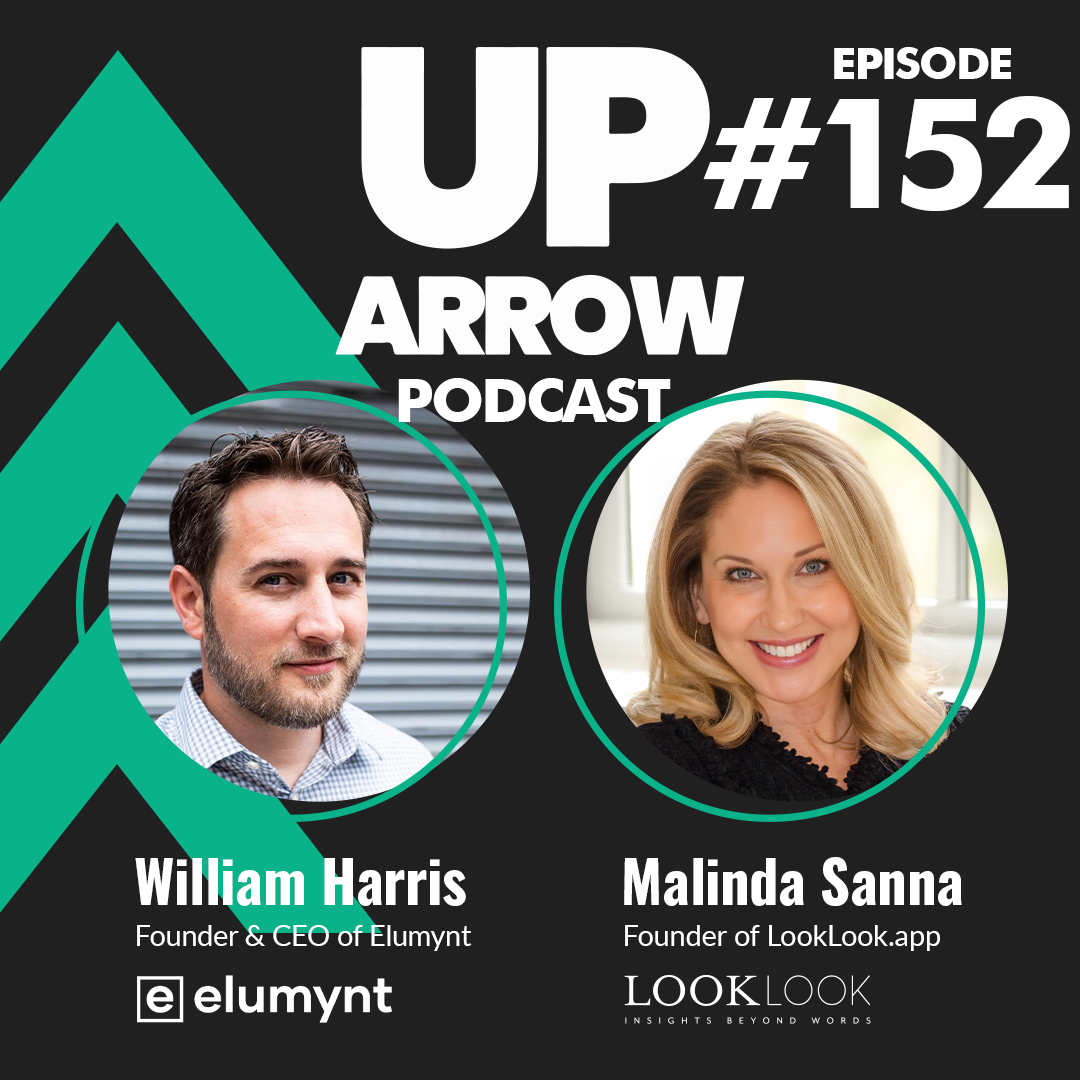


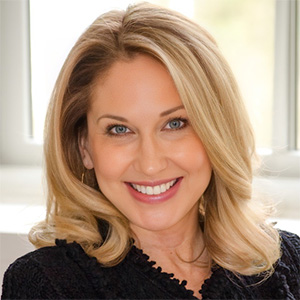
Malinda Sanna is the Founder and CEO of LookLook, a consumer insights platform that helps brands uncover customer insights through curated communities and intimate, one-on-one digital research. She leads the company’s methodology, recruitment, and client work, translating human behavior, culture, and customer journeys into actionable insights for global brands across luxury, beauty, CPG, tech, and e-commerce. Malinda moves beyond surveys and focus groups to reveal the motivations that drive buying decisions.


Here’s a glimpse of what you’ll learn:
- [4:25] Malinda Sanna’s path from Coca-Cola focus groups to rethinking how brands understand customers
- [7:34] How Malinda’s music and performance background shaped her view of resonance in branding
- [11:28] Why focus groups often fail to uncover what customers really think
- [17:35] How immersive research can turn participants into brand buyers
- [25:04] What careful recruitment reveals about customers before the research officially starts
- [34:10] Malinda’s perspective on luxury buyers and the outdated assumptions brands still make
- [40:32] Why e-commerce brands need to understand the full path to purchase
- [48:08] The role of community in helping customers feel seen, heard, and connected
- [57:02] Malinda talks about her latest work exploring generational stereotypes and the American dream
- [1:02:13] Bringing back analog experiences like magazines and screen-free rituals
In this episode…
Customers rarely make decisions in the neat, logical way brands expect. They may say an ad, review, or recommendation influenced them, but the real motivation often starts earlier and runs deeper. So how can brands uncover what people actually think, feel, and do before they buy?
The answer is to get closer to the customer’s real life, and Malinda Sanna, a consumer insights expert, explains how deeper research can reveal what surveys and focus groups often miss. Instead of relying on surface-level answers, brands need to understand the full path to purchase, the emotional context behind decisions, and the moments when customers feel seen or unheard. One-on-one conversations, thoughtful recruitment, and in-the-moment observation can uncover more useful insights than traditional research methods. For e-commerce brands, better creative, stronger messaging, and smarter growth all start with more human understanding.
In this episode of the Up Arrow Podcast, William Harris talks with Malinda Sanna, Founder and CEO of LookLook, about why brands need to move beyond shallow customer research. Malinda explains how to uncover buying motivations, why focus groups fall short, and what e-commerce brands should learn from the full customer journey. She also touches on luxury psychology, community, and analog connections.
Resources mentioned in this episode
- William Harris on LinkedIn
- Elumynt
- Malinda Sanna: LinkedIn | Email
- LookLook
- The Virtual Confessional Substack
- LuxuryVerse: Website | Linktree | TikTok | Instagram
- “Brand vs. Direct Response: Advertising’s Achilles Heel With Preston Rutherford” on the Up Arrow Podcast
- “Marketing to Mindstates: Behavior Design for DTC eCommerce With Will Leach” on the Up Arrow Podcast
- Switch on Your Brain: The Key to Peak Happiness, Thinking, and Health by Caroline Leaf
Quotable Moments
- “People are moved by storytelling.”
- “There's something about the anonymity of chatting with people in a text format that just feels safe to people, and they just are much more revealing about themselves.”
- “So an insight to me is… finding a data point set in the context of a societal trend.”
- “I think that there is conventional wisdom around luxury buyers that is just outdated.”
- “Like we're actually seeing the world through their eyes and experiencing the world the way they are experiencing the world.”
Action Steps
- Replace surveys with deeper conversations: One-on-one customer dialogue helps brands uncover the emotions, context, and motivations that standard research often misses.
- Study customers in their real environments: Seeing how people use, store, compare, and talk about products reveals insights that rarely surface in a focus group.
- Map the full path to purchase: Understanding what happens before a customer buys helps brands create stronger content for every stage of consideration.
- Recruit research participants carefully: Finding the right people improves the quality of insights and can reveal important context before the study even begins.
- Build community around customer listening: Creating ways for customers to feel heard strengthens trust, loyalty, and long-term brand connection.
Sponsor for this episode
This episode is brought to you by Elumynt. Elumynt is a performance-driven e-commerce marketing agency focused on finding the best opportunities for you to grow and scale your business.
Our paid search, social, and programmatic services have proven to increase traffic and ROAS, allowing you to make more money efficiently.
To learn more, visit www.elumynt.com.
Powered by Rise25 Podcast Production Company
Episode Transcript
Intro 0:02
Welcome to the Up Arrow Podcast with William Harris, featuring top business leaders sharing strategies and resources to get to the next level. Now let's get started with the show.
William Harris 0:15
Hey everyone, I'm William Harris, I'm the founder and CEO of Elumynt, and the host of the Up Arrow Podcast, where I feature the best minds in e-commerce to help you scale from 10 million to 100 million and beyond as you up arrow your business and your personal life. One of the biggest mistakes founders make is believing that if they just ask customers what they want, they'll get the answers they need. But here's the problem: customers don't usually buy for the reasons they think they do. They'll tell you they discovered you through an ad when the decision was actually made weeks earlier after conversation with someone that they trust, so if your customers can't always explain why they buy, how do you uncover what's actually driving their decisions? Today's guest has spent the last 15 years answering exactly that question. Malinda Sanna is the founder and CEO of LookLook, a consumer insights platform that helps brands like Google, BMW, Nestle, Shiseido, LVMH, and many others understand what their customers are really thinking, not through boring surveys or awkward focus groups, but by getting invited directly into people's lives. She's conducted more than 900 studies with over 30,000 participants, bootstrapped her company to seven figures without outside funding, and along the way has uncovered some fascinating truths about human behavior that every e-commerce founder should know. Malinda, welcome to the Up Arrow Podcast.
Malinda Sanna 1:25
Thank you, William. I'm really, really honored to be here.
William Harris 1:28
Yeah, you came very highly reckoned by Sabrina Campbell. So, Sabrina, thank you for putting us in touch. I'm excited to bring this out.
Malinda Sanna 1:35
Thank you.
William Harris 1:37
I have one quick announcement, and then we'll get right into the good stuff. This episode is brought to you by Elumynt. Elumynt is an award-winning advertising agency optimizing e-commerce campaigns around profit. In fact, we've helped 13 of our customers get acquired, with the largest one selling for nearly 800,000,001 that IPOed. You can learn more on our website at elumynt.com which is spelled e l u m y n t.com Okay, Malinda, I believe you told me that you grew up learning every TV commercial, not everyone, but then all the jingles.
Malinda Sanna 2:05
Yes.
William Harris 2:05
Do you remember one that particularly captivated you?
Malinda Sanna 2:10
So many. Yeah, I was. I was sort of a Gen X latch key kid, and would come home after school. My mom worked, and so I would watch a good, solid two hours of TV, I think, and yeah, that was the era, like, you know, 70s of a lot of jingles, and the ones that I found myself, you know, singing to my sons when they were little, which is just realizing that, but, and two of them were for hot dogs commercials, so one of them was Oscar Meyer,
William Harris 2:46
for sure, and
Malinda Sanna 2:47
the other one was, let's say, Armor hot dogs, so hot dogs, Armor hot dogs, what kind of kids eat Armor hot dogs? So that was one, and my kids still know these to this day. Oh, I wish I were an Oscar Meyer Weiner. That is what I truly like to be. They're fun little songs.
William Harris 3:07
They are fun little songs. I love that you remember them. I love that you sang them for me, because I was gonna ask you to, so I'm glad that you did. The two that came to my mind first, because I also feel the same way. I remember, I feel like every jingle from my childhood, the two that immediately came to my mind was Kit Kat. For some reason, give me a break, give me a break, break me off a piece of that Kit Kat. Right, so I remember that one. The only one you remember
Malinda Sanna 3:31
these, that's why they do
William Harris 3:33
like decades later. The other one that immediately came to mind was Double mint gum, double your pleasure, double your fun. That's the statement of the great mint. Double mint gum, and so it's like
Malinda Sanna 3:46
the jingle people bring. I love the
William Harris 3:48
jingle. Yes, but I'm an auditory learner. Do you happen to know, like, like there's visual, tactile, and auditory? You happen to know, are you an auditory learner?
Malinda Sanna 3:55
I don't know. I don't even know. I think I might be equal opportunity, because I'm a very visual person. Awesome.
William Harris 4:02
Okay. Interesting. So, you, you found this fascination with jingles, and then you get an opportunity to go into business, and I believe you were at Coca Cola. This is like your dream job.
Malinda Sanna 4:14
Yes. When
William Harris 4:15
did you tell me a little bit about Coca Cola, but then transition that into when did you start realizing you're like, hmm, people maybe don't understand why they buy what they buy.
Malinda Sanna 4:25
Yeah, well, yeah, I went and got my MBA, and then, despite, despite being told that no one at Coca Cola gets a job if they don't graduate from an Ivy, which I did not, I went to Emory University for my MBA. I was lucky enough to be hired, and that was when they sponsored the Olympics in 96 I was right out of school, and it was a dream job. I mean, the Coca Cola Company - it's still an amazing business, but back. The 90s, when everyone drank soda, it was super exciting, and they had probably 50 advertising agencies on their roster. It was a really creative time for brands like that. Television advertising was still kind of a thing, and creative other than just Super Bowl ads. So that was my foray into consumer marketing, and worked with some incredible people and attended a lot of focus groups that was kind of the reigning methodology at the time and was sort of subject to the, you know, the reality of listening to what consumers said they wanted, right, so we would literally, at that time, and this is very outdated thinking, you know, we would gather a bunch of kids in a room and show them an ad campaign and say, you know, do you like it, yes or no, it was very kind of black and white, and what I began to realize is that that's a really ham-handed, awkward way of understanding what people really want and realizing that people can't really answer that because it's not a logical, it's not a logical discussion. People are moved by storytelling, and that's a very emotional thing, and they're not able to talk about it in a rational way in a room with strangers in a sterile, you know, facility in a strip mall that sort of began my search and quest to have more genuine interaction with people to sort of understand what makes them tick, what moves them, what cuts through all the noise and clutter, and yeah, developed multiple methodologies, and I find myself today working with the platform that we built to have more intimate conversations with people in a virtual setting.
William Harris 6:52
I like people getting to know you a little bit before we dig into, like, too much of the meat, and so there's another part that I really appreciated about your journey that brought you to where you are. That was interesting. You studied music, I think. You, if I remember correctly, you were actually a professional musician overseas or something along those lines as well. Music has a lot of pattern recognition, and then obviously within, let's just say, human psychology, there's pattern recognition as far as like why people are buying and being able to look at all of these different things that are coming in. Do you think that? Do you think have you previously interpreted that as being a part of like what has helped you to be good at this pattern recognition? Is like your background in music?
Malinda Sanna 7:34
I think my background as a performer has helped me a lot, just in terms of how can I put this, I think I, I value things that are exciting and stimulating and creative and fun, and the world of research can often, it can often be a little rigid and dry and boring, so I think as a performer I've brought, I've tried to bring that energy to what we do, because it should be very interesting and fun and creative. Specifically, as a musician, I will say that the concept of resonance is - it's a word that is used a lot in marketing these days, sort of loosely, to say, you know, is this a thought you relate to? Is this a thought that vibes with you? And I think that we are all kind of, you know, at the risk of sounding a little woohoo, right? I think we're all electrical beings, you know, and and music and sound like you said it's pattern recognition, but it's also a communications vehicle that can connect, or, or fall flat, you know, but the idea of ideas that resonate, storytelling that resonates, messaging that connects, is is very much kind of a musical metaphor that applies here, it
William Harris 9:03
does, and you talked about, like, not wanting to go woohoo. Let's just say, like, I might table that for the end of this conversation, if we get a chance, because there's some good stuff there. We'll talk about the singing of rocks and stars and whales, maybe at the end of this talking about the idea of like things being entertaining, uh, tangentially, Who is one of your favorite entertainers, and why? Because I'm gonna share mine. Victor Borga, when you talk about music and entertainment, do you remember Victor Borga?
Malinda Sanna 9:35
Vaguely, tell me more. Okay,
William Harris 9:37
he was just, I don't know, very funny, and like, the one thing that I remember was several things that I remember, like, people have to, like, if you had, if you don't know who Victor Borget is, you have to go look it up, but there were several funny things that he would do, one of them was phonetic punctuation that he would do, and he did this one with Dean Martin, you know, on the show with Dean Martin, it's like, so he'd be like singing, singing the song or something, and then it's like, he would be like. He had sounds for the punctuation. He's like, "Oh, we don't pronounce the punctuation, so it's like, "You know, oh sole mio. And then you'd be like, "Oh, there was a period there, whatever. And he's like, "There's a question where he's like, it's like very funny, very entertaining, just taking things that were boring and making them enjoyable. But who is your entertainment that you're like, "I just.. this person is so creative and love seeing their entertainment.
Malinda Sanna 10:23
Well, I love comedy, and I have a lot of famous.. I mean, I have a lot of favorite comedians. It would be tough to choose just one, but I would say Larry David, who was like one of the writers behind Seinfeld, and then did his own long-running show, Curb Your Enthusiasm, he.. I just think his style of humor is hilarious, and the fact that you know he can.. he and both, and Jerry Seinfeld, both really can sort of see the humor and everyday banality, and just the silliness of human beings. I love that. I love that sort of observational humor.
William Harris 10:59
That's so fun. Um, I want to start now getting into the traditional research being broken. We hinted at this a little bit in Coca Cola, and like how things had been done, but I want to start digging into this a little bit more, as far as like what you were starting to see that made you say this can be done differently. So let's start with why do you think even now focus groups are fundamentally flawed. That's why we have LookLook, for instance.
Malinda Sanna 11:28
Well, a number of reasons. I mean, one is that then I mean society is just different, and people are too busy to be scheduled, where they're going to have to drive somewhere and deal with traffic, and, and go out of their way to have you know, an experience in a room with a cheesy one way mirror, and be studied like, you know, lab rats. It's just super outdated and cheesy, and I think most people that are that brands really care about are not going to be willing to do that, unless they're getting a big pile of money, and even then they may not be willing to do it. So, there's just the logistic aspect. It's much easier to reach people virtually, like you know, on their phone, or you know, via a laptop or desktop. So, the asynchronous way that we have of chatting with people that feels more like, you know, texting is it's just more realistic in today's world, but also there's something about a group dynamic, and in a focus group you're sitting typically around a circular table, a rectangular table with a bunch of people you've never met before, you're just there because you all happen to buy, you know, Febreze fabric leader, or whatever it is, drive BMWs, so you don't know each other, and human beings tend to kind of posture and think about how they're being seen and how they're being heard, and you don't necessarily get, you don't get a real genuine response, so our approach is to facilitate one on one dialog with people, and so literally it's, you know, me asking questions and probing further on topics individually with a person, or you know, people on my team having real one on one dialog with people, it's asynchronous, so they'll answer questions according to what the topics and are for that particular study, but then we log on, look at their responses, ask them follow up questions, and then we give them 24 hours to answer them, so we give people kind of the space and time to be more thoughtful and mindful with with what they have to say to us, and that is just so much more in depth. It allows us to be more granular in our exploration of these topics, and and it fits with the way people kind of live and work now.
William Harris 13:57
The idea of maybe people being a little bit more guarded if they're in a group and wanting to, I don't know, match the group's consensus a little bit, like that makes sense, and I hadn't thought about that before. Do you think that people, then let's just say, like text-based, what are the drawbacks? There is, it are people less likely to be forthcoming about something, or are they almost like too forthcoming, or like what are the drawbacks to like the text-based approach?
Malinda Sanna 14:25
Yeah, I mean, the only criticism I've heard that I would say might have some validity, but I really don't believe it does, is that, oh, well, you're not reading people's body language then. Well, you know, to me that is an easy trade off, because I would much rather have them answer me honestly than use body language as a proxy for what they're actually saying. There's something about the anonymity of chatting with people in a text format that just feels safe to people, and they just are much more revealing about themselves. Health, it also like our platform, because it's kind of like texting, you can upload pictures and video, like it's, it's really a periscope into their lives. So often we're not just conversing, we're saying, show me pictures of your pantry, show me pictures of, you know, the kind of soaps you have in your powder room, or, you know, show me your shoe collection, or whatever it is, we want to sort of understand. Get in the passenger seat of your car and talk about, you know, how it feels to sit there, sit in the driver's seat, and talk to us. Or we might have them upload a video of themselves talking to us, or showing us how they apply a beauty product. Or, you know, they might screen record what they're doing on their phone and how they're shopping for something, and how they might toggle back and forth between shopping websites and social media, and texting with their friends, like we're actually seeing the world through their eyes and experiencing the world the way they are experiencing the world, so it's very much a Periscope, and and also, you know, a client told me this once, it's like a virtual confessional, like people just open up to us, that I think that's a little bit the way I've trained my team to relate to people, but it's also I think the, the, the medium, in other words, having this kind of asynchronous chat, where will you give people the space and time to respond as they want to?
William Harris 16:27
It's so intimate, it's, it's so multi-sensorial. I think about this, and I'm like, by the time you get to the focus group, you're answering now with, you know, your limbic system, and you're giving the answer that you're pretty sure is why you're doing it, whereas when you actually sit down, like you said, in the driver's seat, in that moment, you're probably going to be more likely to answer a little bit more with your amygdala. I'm, you know, making that up, but it's like you're likely going to answer a little bit more of like the actual reason than what you've rationalized that reason to be, and just that idea of being able to get people into those, you can't get that out of focus, you can't get that very, very easily anywhere else, where it's like, show me, show me the soaps, and I'm, I don't know if you're this way too, but you know, I'm ADHD, probably tell if you can't lie
Malinda Sanna 17:13
in today's world, so,
William Harris 17:16
so I don't actually remember some of these things unless it's like right in front of me, and so you're like, hey, show me the soaps that you go to, so, oh, that's right, I do have this other thing, I forgot all about it, but now that you just asked me to do this, and I'm sitting here right in my home, and I take a picture, I'm like, oh, that's right, I do that, and that reminds me, this is why I got that, and this is why that didn't work, or whatever,
Malinda Sanna 17:34
no, that's absolutely right, and the other interesting dynamic about the work that we do is that I think traditional advertising is kind of dying a slow death right now, you know. People can kind of navigate their way around ads, whether you're paying for, you know, the premium version of YouTube or the ad-free version of Netflix. It's like, so how do brands even get their message across? They can do really sophisticated targeting now with AI, but where are you going to put that message? And what we notice is that even though brands don't come to us, companies don't come to us with a budget and say tell our story for us, they come to us for insights, but it pays a really nice dividend because by having people focus on, you know, a specific product or brand as part of our study, we notice that they go out and buy it afterwards. A lot of them do, and that could be whether it's for, you know, Dots Snack Micks, or, you know, Nike tennis shoes, or Chanel Beauty, you know, they they are focusing on a certain product or category experience in a way that they wouldn't otherwise, and it often can kind of awaken dormant interest or even dormant love for a brand that people haven't thought about for a while. So it's a little bit of an immersive experience, and we're, we're playing with that as well, you know, with certain of our clients that are looking to kind of engage with people in a way that doesn't feel like advertising, you know,
William Harris 19:06
I think that's the key when you talk about like advertising dying, when we do ads for brands and we run digital ads, right, so Meta, TikTok, Google, YouTube, whatever, in the traditional ways of how you target those was, you know, you're like, I want you know, males 25 to 35 who like golf, right? They're like these demographics and these interests and whatever. And now the best way to target is by creating content that somebody who is that ideal audience is going to find engaging. Facebook will serve it to them because they know that they're that's the things that they're interested in. And so the best way is to create that content, but in order to create the content that is really going to resonate with that person, you need these deeper insights, because now you, you could, if all you were doing was just getting away with saying, I want to target these people with this ad, the ad didn't have to be that good, because you made sure you targeted those people, but if now you're not targeting those people on purpose, now the ad has to be better, you have to. Better insights into it, and so I had Will Leach on here, so competitor, he was at Pepsi. I don't know if you know Will Leach, or whatever, but and one of the things that he brought up that I really appreciate when he was doing focus groups back then as well was I think it was for another client of his afterwards, and it was like storage, storage containers for closets, and similarly, like, actually went to this person's home, right? And so it was like, not a folks who was like physically in their home, and they show him their closet, and they break down crying, because they're like, "I'm sorry, it's such a mess, and it's like, "Oh, we're not selling organization, we're selling like, you know this feel good about like yourself, like like this removing shame or whatever it is that you have for this, it's like it's a very different thing. And so to your point, I think outside of the focus group you might get a little bit into the emotion side of things, but like when you get into like LookLook, the likelihood of you getting a little bit more into that true raw like this is me in my house, right? You get those insights that you need to actually create the content that you need.
Malinda Sanna 21:06
Yeah, I mean, we are hanging on their every word. We are definitely making them feel heard, and I think that's a pretty rare experience for people these days, because we are all ADHD, you know. So certainly, if the competition is sitting around a focus group table, you know you're sitting there thinking, what am I going to say that's going to make me look smarter? How do I talk over that person to get my voice heard? You're not, or the whole group says the same thing, because of group think dynamics, like it's the one on one aspect that probably you know your friend from Pepsi found by having the intimacy of entering someone's home and having that rapport that can also unlock it. The point is it's one on one. The point is you're giving, you're practicing deep listening and really being present for what that person is saying and experiencing in that moment.
William Harris 21:58
Yeah, I love that. So, let's talk about a couple of these stories that you've shared with me. One was Google, you were doing some stuff with Google, and I think the thing that I found that was interesting with this is, like, Google has so much data, so much data, more than almost anybody that exists on the planet, but they still came to you, they're like, we don't understand why this is happening, can you help us figure it out? So, like, what was going on, and what did you figure out for them?
Malinda Sanna 22:27
Yeah, we did a lot of work for Google for a while. I think the one you're talking about is really funny. Yes, they came, they came to us because they said we need to solve this issue, and this was this was a while ago, so it was actually when Obama, the latter days of Obama's second term, and they said we have a lot of people using the Android operating system on their phones, but on devices that have less than a gigabyte of RAM, and so we might the woman who was doing recruiting for me at the time, Susan, we didn't know what, what you know, what one gigabyte of RAM was. We went to some cell phone stores, and we happened to go to one. I live near Huntington, New York. We went to Huntington Station, a cell phone store, where they said, oh, one gigabyte of RAM is nothing, you know, those are really low-cost phones, and they're being given away right now. Go down the street to Walgreens, because there's this, you know, on Tuesdays they give out free phones to people that need them. So we, it was a rainy day, we like drove over half a mile to the Walgreens, and sure enough, there was a woman collecting Medicaid applications, and she told us about Obama phones, and apparently that's what caused the huge uptick in one gigabyte RAM phones was the fact that these Obama phones were given out to millions of people suddenly, and they were using them early days of smartphone, you know, smartphones, they were using them as smartphones, as even if it was like in addition to the iPhone they already had, or whatever, and that's what was accounting for all that increased use of Android operating system, and that's how we found it out.
William Harris 24:25
And this is just insane, because I mean, again, Google has so much data. The fact that they didn't know, and that they needed to come to.. I think this is the thing that I want to, like, say to the e-commerce listener founders who are listening. You actually don't know your customers, like, I don't care how much, how many post-purchase surveys you're doing, or whatever else you're doing right now, as much data as you think you have about your customers, you know nothing, you know a fraction, you know 1% about them, and the likelihood of there being significantly more that you can learn about your customers that will unlock things that you're going to be able to use to create ads or. Yeah, to develop new products or whatever is significant.
Malinda Sanna 25:04
Yeah, and you know the truth of that situation is that we learn that through the recruitment process, and recruitment is is what we mean by identifying the right people to take part in a study, and like you said, often the client will sort of dictate that, they'll say 25 to 30 year old males who you know buy this and live in this place, so we hadn't even started this study when we came across that finding, you know what I mean. We were just still in the process of like, where are we going to find these people that have one gigabyte of ram on their phones, because no one we know only has a one gigabyte ram phone, so it was it, and because we do find our own participants, meaning we do our own recruitment. I mean, that really no one else does, because it's really hard. We're the only ones crazy enough to do it, but we are perfectionists in that the type of research that we do, which is small sample research, the quality of the people needs to be amazing, and that's why we started doing it ourselves 15 years ago, was because when you outsource that part of market research, you're really, you're really risking the quality of the data, you, you're, you're risking the integrity of the learning, and so we often learn a lot about the context from the moment we start recruiting, you know that, and we can, we know so much more before the study even starts, just from the process of, like, well, where are we going to find these people, we screen them, we collect data, we get to know them, and we, we begin to understand the context of the of the marketing situation, a problem to be solved just by screening the people that could be in the study.
William Harris 26:49
It's so interesting, you referred to this almost as you said, what was it like a virtual confessional? There's a story about Hershey that you tell again, and when I think about Hershey, and like some of the work that you did for them, people are confessing it almost seems like, like a lot of times, like the easiest time to like get me to talk about like what's going on is it's like give me some chocolate too, right? So I'm eating some food, I'm like, okay, I'm ready to talk, but like tell me about Hershey and what those stuff that you guys are doing there.
Malinda Sanna 27:21
Oh yeah, well, Hershey, we've done a lot of different things for Hershey, and the brief, you know, can be as broad as we want to understand what luxury means in the world of chocolate, you know. So that can be a very broad thing to explore, or they might want to understand what the eating occasion, you know, might be for a certain type of snack. So once we were asked to find people who played video games and snack at the same time, and we wanted to understand what kind of snacks are they reaching for, where they're not going to get their hands messy while they're playing video games. So that's that's one where video played a big role, because we wanted to really see them in the moment. So we said, you know, set your phone up and just play games and eat what you normally would eat, you know, and they would talk to us about what they, you know, whether it was something clean that they could eat easily, or, you know, they really kind of want something intense and sweet and salty, and it might be sticky, but it's worth it. I just have to, like, have wipes to, like, wipe down my device, or whatever. You know, it was really, really interesting to kind of understand that very specific situation. But, yeah, chocolate being near and dear to my heart, we, we love those studies, because it gives us an excuse to indulge and find out new products as well,
William Harris 28:44
so snack wise, what snack are you grabbing? Like, if you're going to grab a snack right now, maybe not playing video games, but you're gonna go grab a snack. We were, if you were gonna grab a snack right now on the podcast, what are you grabbing?
Malinda Sanna 28:54
Oh, well, my current obsession is that new Khloe Kardashian protein popcorn. Have you?
William Harris 29:00
Oh, what's it called?
Malinda Sanna 29:02
It's called Khloud, of course. My
William Harris 29:05
guarantee, my girls probably have,
Malinda Sanna 29:07
yeah, K H L O U D, I think. And it comes in white cheddar, and it comes in olive oil, or sweet and salty, and it's, it's great. And you, you know, it's right in the protein trend, so you feel like you're doing something good for yourself. Yeah, that's my current obsession. I'll get tired of it immediately, but for now, I
William Harris 29:29
love it. I would say that, like, I'm a classic Reese. Like, people who know me know that it's like Reese's are probably my go-to, but I've had a kick lately for Jolly Ranchers, and I don't know why, but there's just something about them. This is such an old, this is such an old man thing, but it's like they're sweet, but like they're not too sweet, like you're not gonna get sick. I'm trying to, like, I'm trying to, like, you know, change my body a little bit here in my 40s, whatever, right? So it's like Reese's maybe done away with, but it's like you just get this little hint. Something, but it's not gonna ruin your diet, it's not gonna ruin your life, kind of thing.
Malinda Sanna 30:04
Well, as someone who grew up on a lot of processed food, Jolly Ranchers are great because there are flavors like sour apple that have nothing to do with the taste of an apple, but one of my favorite flavors, or like blue raspberry, doesn't taste like a grape, but you know, love that flavor. I love Jolly Ranch.
William Harris 30:24
What is the funniest thing that you've ever had someone send you during a study where you're like, I can't believe this just came across?
Malinda Sanna 30:32
Well, I mean, on chocolate opens up a lot of virtual confessional situations, like, you know, especially when we talk, I don't know what it is about women and chocolate, but chocolate just has a place in our hearts, I think, and our role in our, in our biology. So to see where women stash their chocolate in their, in their home is so interesting. I mean, and having them paint the picture of how they're eating it, what you know, are they, are they drinking wine while they're having their chocolate, what, what other guilty pleasures are surrounding again, there's it's this voyeuristic virtual confessional moment, seeing where they hide their chocolate from their husband or hide it from their children,
William Harris 31:21
I hadn't thought about hiding it. What are some of the places that you're like, you would not believe, but these are some of the places people hide, that
Malinda Sanna 31:30
you know it. I mean, high shelves in the pantry, but also like all around the bed, nightstand under the bed, you know, in the in the shoe closet, you know, like anywhere where it feels just a little naughty, and
William Harris 31:47
that's funny. So, I, I
Malinda Sanna 31:49
guarantee you, in your home, William, there is stashes.
William Harris 31:52
Well, they're mine, but that's the problem. So, my wife and my girls, I got three girls, and they're, they're definitely like, "Dad, we don't want to have this candy all over the house. I'm like, well, I still want candy, right? So my wife is a.. you have to find somewhere else to put this, because it's like it can't be out here for everybody else to eat. So I'm like, all right, I'll put it. So I had it in my bedroom under the bed the one time for a little bit, right? It's like I'm not hiding it, but it's just like, all right, I'll just keep it here so we.. and the dogs got it, though. Dogs are not supposed to eat chocolate, so I was like, well, that's not a good spot for it, so
Malinda Sanna 32:21
right, right. Oh, that's funny. High
William Harris 32:25
pantry, high pantry door. Yep,
Malinda Sanna 32:27
yeah, exactly. Well, your girls sound like they've learned some healthy eating habits. Good for them,
William Harris 32:32
they are very good. I would say I believe my oldest, she's 16. I don't know if she's actually had sugar in probably three years, like she is very good, like she makes her protein shakes, and it's like she is, she's driven the middle one right now, 13, you know, she plays very competitive volleyball, and so it's like she's like she's got her goals and everything right, and so it's like the youngest one, she'll speak, she'll stick in with me, but the other two, they're pretty, pretty dedicated,
Malinda Sanna 32:57
that's amazing. Well, it's the youngest of three daughters, I take the youngest. We know how to enjoy life the most. I think
William Harris 33:05
you're the youngest of three girls, aren't you?
Malinda Sanna 33:07
Yes.
William Harris 33:07
Yeah. Do you feel like that dynamic
Malinda Sanna 33:09
birth order?
William Harris 33:10
Yeah. Do you feel like that dynamic plays out? Like, okay, like if I was gonna stereotype it, there's like the oldest rule follower. There's the middle who's like, I'll follow the rules, but I'll sneakily get away with him. And then this youngest is like, I'll break the rule right in front of you. I'm not too worried about it,
Malinda Sanna 33:23
exactly, because I know my parents are too exhausted to deal with me. Yeah, exactly. That's, that's so true. I think the middle child, they tend to be kind of the mediators and make everyone happy, and, and the oldest, you know, they, yeah, they want to, they want to follow the rules and tell everyone else what
William Harris 33:45
to do. That's funny.
Malinda Sanna 33:46
Yeah,
William Harris 33:46
there was some stuff that you talked about with just like luxury psychology. There are some of the brands you work with, beauty brands, and the thing I think luxury buyers can afford just about anything, right? Like, there's.. there's.. it's not something, so it's like.. so, How do you decide which lipstick they're going to buy? Like, what's the insight that you were getting there with them?
Malinda Sanna 34:10
I mean, it can really vary. Sometimes we'll be asked to kind of understand a category, like what is happening in skincare.. like early on during the pandemic, women were just suddenly spending a lot of money on skincare in a way they hadn't before, and it's they had a lot of time on their hands to watch YouTube tutorials and teach themselves about ingredients, and Korean skincare kind of came about during that time. Yeah, so sometimes it can be just like, what is happening in this category, you know, other times we might be very, very centered on a certain brand, you know, so we've done some work for Ariana Grande's makeup line, REM, and we will ask women to focus specifically on that brand. We might even send them to Alto. Wherever it's sold to kind of see how they're experiencing the merchandising and what is standing out, and what do you think of the makeup versus her very popular fragrance line, that kind of thing. So it can be very broad or very specific, but again, we're looking to always get a little beneath the surface and beyond the obvious, because I mean, these days companies and brands, they have, like you said, so much data. Google has so much data, so we don't want to ever, you know, when we present our findings, have the clients say, 'Oh, well, that validates what we knew. Like, that's death to me. Like, I don't like to hear that, because I want to have them tell us we didn't realize that, or that is bringing new learning to us, because that's where the value lies. You know, we're all swimming in data, so to me it's not about reporting on findings as much as it is interpreting what we're hearing or finding, and bringing some level of cultural, you know, cultural observation to that, so an insight to me is a finding, a data point set in the context of a societal trend that is an insight.
William Harris 36:13
What's one of the things that you think most founders of businesses just get wrong about affluent customers,
Malinda Sanna 36:24
about their customers, specifically
William Harris 36:26
affluent customers. It's like, hey, they don't realize this.
Malinda Sanna 36:30
I think that there is conventional wisdom around luxury buyers that is just outdated, I think. Luxury has been democratized radically over the past 10 or 20 years, and so it used to be, especially with high fashion luxury brands, you know, the perception that, oh, this is this is for ladies who lunch is like that just doesn't exist anymore. I mean, these $5,000 jacket brands, I mean, they are for women who work, you know, and even even luxury jewelry women are buying for themselves now, you know, they're not necessarily, I mean, there will always be a market for, you know, the milestone occasion or romantic anniversary, or Valentine's Day, or wedding anniversaries, that you know the guy is very much part of that equation, but there's a lot of jewelry buying that happens now as women just wanting to buy it for themselves or as an investment with their own money, so there tends to be a lot of lazy, outdated thinking about who the luxury buyer is, particularly when it comes to when it comes to women,
William Harris 37:50
that makes sense. You ran into a very prominent female one time, you ran into Martha Stewart, you told me
Malinda Sanna 37:58
yes when I was with her, very surprised. So this was early days again, when my, my friend and colleague, Susan, we were partners in crime, looking for these luxury buyers, because we were building up our luxury database at the time. Fortunately, we live in New York, so it's easy for us to go to Bergdorf Goodman, which we ran into Martha, and we would literally walk up to women in the luxury shoe department and say, "Hey, would you want to be part of a study for Jimmy Choo or something? And we ran to Martha in the Jonathan Sim K clothing department, and I was just so bowled over. First of all, she was like, dhe is so beautiful in-person like what is she in her 80s now, and she, she looks amazing. I think she was like on the cover of Sports Illustrated in a bathing suit last year. Anyway,
William Harris 38:47
crazy.
Malinda Sanna 38:48
Yeah, this was this was a few years ago, but she was, she's tall, she's gorgeous. She was so friendly, and because we were, you know, fearlessly talking to strangers, we did talk to her, but I found myself a little flummoxed, like I was a little star struck meeting her, but she was so nice, and fortunately my colleague Susan was not flummoxed, and you know, got her phone number, and she texted us, yeah, or her number, yeah, no, no, it was not her numbers, sorry, sorry, that's an exaggeration. She gave us her email, and she connected us to people around her that helped us out with whatever we were recruiting for. I think it was Chanel fashion or something, but yeah, Martha was amazing.
William Harris 39:36
Martha is amazing. I would say that, you know, as far as like getting starstruck, whatever, I don't feel too easily starstruck either, but my wife, if.. and I don't think she does either, but if she met Martha Stewart, kind of like you, I think that, like, that's probably her, her the epitome of like, if I could meet Martha one day, Martha's the person she would want to meet.
Malinda Sanna 39:55
She's a larger than life present, and, but she was so kind, you know, in that in. Situation, which was, you know, whatever you hear about Martha Stewart, she, she was very nice to us, and we were strangers. So
William Harris 40:06
I want to bring this into, like, the e-commerce version of this, then. And so, like, a lot of this was is not necessarily geared towards e-commerce, but it is. If you were, let's say, running a $50 million e-commerce brand, or a $50 million e-commerce brand, comes to you and says we need to learn more about our customers. What do you think are probably the like top two three things that they probably need to dig into to understand more?
Malinda Sanna 40:32
I think that a lot of clients are really itching to better understand the journey that leads them to make a purchase, because it can be so varied these days, and I think everyone's a little confused about what role social media plays, no matter what category you're in, it's playing a role. So that's that's one of the things that we pride ourselves on, is we are able to kind of connect with people, and and and people can walk us through their path to purchase, or even just path to consideration for anything, and it often starts online with discovery via social media, or discovery in some other forum, but everyone's everyone is a researcher today, you know. So everyone there can be impulse purchases where you, you know, maybe you see something on social media and you click through to buy. I mean, that happens, but even that may be a little journey, but it's a journey much more often, and particularly in the luxury world, people will do a little bit of research and digging around before they pull the trigger, because there's a lot of money at stake, can be 1000s of dollars. So it's very important to know where your customers are doing that research and what is motivating to them, and that that really, it can be so many different things these days. They could be reading Google reviews, they could be reading reviews on your own website or a competitor's website, they could be, you know, checking in with your their friends, should I buy this, uploading a picture to a text exchange, they could be using AI to help them make decisions, it can really, really vary, and so I think having a clear understanding of what that journey can look like for different types of customers, because that is not going to be a uniform one size fits all thing in today's world.
William Harris 42:30
I love the way you position that, and we actually have a client of ours that is, let's just say, we about around $50 million in, let's say that their AOV is about $400 right? So it's a, it's a decent size AOV. It's not, it's a considered purchase, a little bit, but it's not like highly considered shoes, and they, they're running ads, but they don't spend any of that money, like all the ads are optimized towards conversion, conversion purchase optimization, and so within the advertising space, it means you're optimizing for that actual purchase. When you do that, Meta, and the algorithms, they have like a seven day window, more or less, that they're saying this purchase needs to happen within the next seven days. What that does then is you're basically telling Meta, I need people who are ready to buy now, because Google is only going to really kind of get the credit for that if they're making this purchase within seven days. You're missing reaching the people who are like, I want to buy this in 60 days, 40-five days, whatever that might be, right? Like, I'm not ready to buy this shoes now, but I'm definitely interested in these shoes, and I want to engage with the brand, and I want to be a part of this, and excited about this. And so they asked, they're like, do you think we should run some non-conversion optimized? It was like, well, 100% yes. Like, I absolutely like that. Is a recommendation that I have for most of the brands that we work with, that you should be doing that. But it becomes hard, but to your point, if you don't understand the journey, if you're not thinking about the journey, that it's like those people didn't just wake up and say, oh, I saw an ad for these shoes. I'm gonna buy them today. There was something that likely happened, and they had already talked about, or they more likely knew somebody that wore these shoes, and they're like, 'Wow, these will come from.. maybe you've even tried them on at a store, or whatever this might be. There was something that happened that made them say that. And so, to your point, understanding the journey more will give you ideas of, like, okay, so when you're 60 days out, what kind of content do you want to see 60 days from wanting to purchase these shoes? Because it's different than the content you want to see when you're ready to buy it now.
Malinda Sanna 44:31
Yeah, I mean, no offense, Meta, but people are not robots. I mean, there's.. it's a little unreal, unrealistic, and dehumanizing, even to say, okay, this ad needs to work within seven days, or we want to reach the person who's going to purchase within seven days, because you know people are messy, attention is messy, and so you have to meet them where they are. Some people, it may be an impulse purchase, some people you may be able to convert them. Quickly, but it really depends on the product, the category, the person, where they're at, and that's why brand building advertising is so important, because it plays a role in capturing the person's attention and getting on their radar, even if they may not be able to activate a purchase for another six months, like you said, I mean, those, those two components need to be able to play together, brand building, and you know, tactical purchase triggering, those are two different messages, it's two different stories to tell. Yeah, we're not, we're not programmed to buy immediately all the time,
William Harris 45:39
especially at that volume, at that level, that AOV. There's a brand, and I had Preston Rutherford on there called Chubbies, like shorts and stuff, and he talks about this, and I really like the 95 five role, which is like 5% of your TAM is probably ready to buy right now, but the other 95% isn't. How are you engaging those people, and if you have no plan for how you're actually engaging those people, then yes, you're leaving a significant amount of opportunity for your competitors to target them and engage them.
Malinda Sanna 46:06
Yeah, we do hear a lot in the fashion and beauty category about people perusing something, not purchasing, and then it's showing up in digital ads, that can be quite effective, you know, so that sort of listening component of being exposed to something, and then seeing it appear in your life, even if, like, ooh, someone's been listening to me. I mean, they may think it's a little creepy, but it can, it can be effective. I mean, we do hear that, that you know, showing up again, or showing up unexpectedly in other formats, is effective. I mean, I think you just have to make sure your brand is showing up multiple times for any week. We
William Harris 46:51
say that it's creepy, right? But, like, it's all contextual, and so this is the way that I like to think about this. If, if your partner, your, if your husband shows up with what you need without you having to ask for it. You're like, thank you. All I want is for you to be able to just know what I need without me having to say it. It's a very good thing. If your stalker shows up with what you want, it's a different thing, right? You're just like, wait a minute, why do you know what I want without me having to ask? Like, they're very different. And so it's very contextual. And so, to your point, it comes down to how much we trust the platform, or whatever they're doing. It's like, hey, if Meta shows you an ad for something you want, for the most part, we feel okay with that. We've kind of gotten a little bit more okay with it, but if it's, you know, Chinese company, TikTok shows you're maybe a little bit less trusting, like, wait a minute, why do you know what I want now? I don't want you to know what I want yet. And so we do contextualize our trust, I think.
Malinda Sanna 47:37
Yeah, yeah, and you know, there are improvements that can still be made. I mean, sometimes you know, after we hear this a lot, like someone will make a purchase and then those items show up in digital ads. It's like, well, wait a minute, I've already purchased that, you know? Like, so it can, it can still be refined. Yeah,
William Harris 47:55
yeah. Okay, so understanding the journey is a good one. What's another one that you think a lot of ecommerce brands, they're they're just not asking this question, and they need to ask this question.
Malinda Sanna 48:08
I think that in the world of ecommerce, where you don't have the, you know, the the face to face interaction necessarily with your customers, it's the idea of making your customers feel heard and recognized, and maybe even meeting other customers like them, you know, this idea of, I guess, community is is a really big one today, because most people are lacking a sense of community in their lives, and so if you're only employing, you know, mass email campaigns that are pushing out a message, the same message to everyone, or only asking for input via a really dry survey that's pushed out in the name of, you know, CRM, I think you're missing an opportunity to really connect with the human beings that are paying money for your product, so there are various ways of doing that today, but I think that community building, sort of in the spirit of what what Glossier did years ago, you know, like when they initially came onto the scene, I don't know about now as much, but you know when it was very fresh what they did, in starting with a magazine and an online presence, and giving their customers a way to give them feedback and tell them what new products they wanted and what they liked about certain products, I mean creating any kind of forum where you can get real, real insights and observations and conversation back from your customers, not just survey results or sales data, but, but conversation with your, with your customers, I think, is very valuable.
William Harris 49:57
Conversation is always valuable, right? That's how you. Learn, that's how you grow, that's how you discover what you didn't know. I think the question that I would like to see e-commerce founders do more of. We're very good at post-purchase surveys, which is, you know, how did you hear about us? Right, that's like, seems like the biggest one. So, we can, it gives us a better understanding of attribution, because we missed that, right? It's like, maybe they clicked on a Google ad, but they say, well, I heard about you on TikTok, I heard about you on this, where there's like, well, that wasn't getting credit for the purchase, so it allows us to understand where to invest money, but I would want them to say, like, why did you buy this, right? Like, why, what else did you evaluate before you came to decide to make this decision? Like, those are the questions that I feel like we don't get often enough in e-commerce, that I would love to see more e-commerce founders say, like, I, I want to work with, LookLook, and I want to find out why are people buying this, like, what is the reason, and so the they'll leave comments sometimes, and so you can kind of glean from that, maybe we try to look at, like, what are people saying on Reddit, like, there's there's ways that we're getting some ideas of this, but it's like to just come right in and ask them why, what else did you evaluate, why did you decide on this one, out of all the other things,
Malinda Sanna 51:02
yeah. And even, you know, is it enough to say I heard about it on TikTok? I mean, there's so many ways that you can come across a product on TikTok. You can learn about it in the comments section, you can watch a sponsored ad, you can watch an organic influencer, you can, you know, they're multiple. You can see it in TikTok Shop, I mean, right off the bat, there, there are four very different, you know, ways that someone can find a product on TikTok, so I think, yeah, you have to be willing to get granular, be more precise, be more exacting in your questions, and, and find, you know, we have a way of doing it, but you know, challenge yourself to find ways where you can gather those more detailed responses, so that you can uncover new opportunities.
William Harris 51:53
Yeah, that's the key, right? detailed responses, and I think that's the thing that I really like about, like, after I dug into, LookLook, a little bit more, is it's like I love getting lots and lots of answers to the post-purchase surveys, are so good for that, right? And it's like, but it's very shallow information, like, but the richness and the depth that you can get, I think that's what's unlocking things. And again, I'm going to reiterate this again for the brands that are listening, if you feel like you are stuck, installed in your advertising growth. It's likely because you'll hear people talk about this all the time. It's like, oh, you need more creative, and it's like you do, but you need more insightful creative. You need creative that at least has that idea. It's like, but why is this creative going to work differently? In order to find those insights, I think that you need to do some deeper customer research, and I think that one of the best ways to do this is to not necessarily do a focus group, but to your point, like, let's actually get into their homes, let's see, how are they using it, why are they using it this way, like, what else did they evaluate, those are the things that I think can help unlock that.
Malinda Sanna 52:54
Yeah, I mean, get into their lives, you get into their homes, get into their lives, I mean, sometimes we'll even talk to people about the medium of advertising itself, or what, what is breaking through to you. We understand you're seeing a lot of ads these days, like what what gets your attention, and why, and what do you expect to see about ads from a bank, or what do you expect to see about ads for, you know, xyz laundry detergent cars, you name it. It's important to sort of understand what the conventions of that category is advertising, what those are, so that you can come up with a creative strategy that's more disruptive, or that can break through the clutter and stand out. Because I mean, that's really what we're up against now, is like people are so bombarded with messages all the time. How can you emerge as a, as a human voice in the context of all this slop? You
William Harris 53:50
know, that's really good. I want to chat a little bit about who is Malinda Sanna, because I think it's fun to get to know the human being. What's your favorite quote, or one of your favorite quotes?
Malinda Sanna 54:04
I have quotes all around my office. One of them is from Calamity Chain. If a girl wants to be a legend, she should just go ahead and be one. Hmm. yeah, I mean, I know I've talked a lot about women today, but most of our, most of our products are geared toward women, so we talk to a lot of women about a lot of things, and I think women tend to quell their own voice a lot, and we're taught to be quiet and not to be the big personality in the room, and I think, I think that's ridiculous. I think that a lot of women want to be known for something and should be, should strive to stand out and strive to be legendary, every person. Should,
William Harris 55:00
yeah. Why not? Like, I don't know what the downside would be to it, right? But it's like, if you've got something to share, like, get up there and share it. Like, you said, it's like, if you be a legend,
Malinda Sanna 55:08
everyone has something to say. Everyone is interesting. Everyone is interesting.
William Harris 55:14
Yeah, I do feel that way. I, my wife teases me about this a little bit. I don't, I don't know how I want to say, like, I, I don't, I don't categorize people very well, like it's almost like I don't see categories to the point where it's very odd and weird, right? And the example that I give is that it's like I was friends with literally everybody in high school, meaning like the janitors and every, it's like, knew their names to the point where it's like the one guy, Vic, one of the janitors, one of the night janitors, I used to run the candy shop at the school, and so it's like I would work that at lunch time, and whatever, and he was like, he wrote me a note, he was like, "Hey, I had some extra floor wax when I got done with the cafeteria, I went ahead and waxed your, your candy room for you too. It's like, like, just genuinely friends to your point, where it's like, when, why did you do that? So, like, well, I found him interesting. It's like I talked to him. It's like I got to know him. It's like I would learn. It's like, whatever. It's like, to your point, everybody is interesting. Everybody has a story to tell. We just oftentimes don't take enough time to actually just listen to those stories, and I think if you did, you'd learn some very interesting things.
Malinda Sanna 56:15
Yeah, I mean, I.. I'm just a curious person. I guess that's why I've ended up doing this, but yeah, I think everyone is interesting. I, you know, to the chagrin of my children, I think I embarrass them sometimes. Like, I, I will talk to every Uber driver, I will talk to, you know, every waiter, a waitress or bartender. I do. I just think it's interesting, you know, to see what house day going so far, you know? And I love talking to strangers.
William Harris 56:44
We all want to be seen, and so I think that that matters. I think that's a really good thing that you do that. So, being a legend, I like that. Do you feel like, do you feel like you're being the legend that you want to be? Are you, are you saying what you want to say, and getting out there and doing
Malinda Sanna 57:02
I'm starting to, and you know, it's taken me my lifetime, I think, to really live into that to the extent that I want to, and I think some of that comes with age. I'm a pretty seasoned executive at this point, and it's a good, it's a good feeling, I think that we're, we're in a position, I say we, so I'm kind of talking about my team and myself, I mean, we listen to people all day long, it's what we do, and we do have a pretty good grasp of where the country is at, and because we do our own recruiting. We've also built this database of 10s of 1000s of people all over the country, and we're actually going to partner with the Two Way Interactive YouTube show on multi-generational conversations about the American Dream. This is something new that we're doing a new partnership with the, yeah, yeah, and I think it's so funny that everyone kind of knows like what marketing cohort they belong to these days, like everyone's very clear on whether they're Gen Z, out Gen Alpha, Gen X, Baby Boomer, Millennial, everyone knows where they fit. There's like all kinds of memes about it. It's just so funny to me, like that. I don't know, 10 or 20 years, that would have been super cheesy, but today it's kind of taken for granted. But we, we walk around with these stereotypes of, like, oh, millennials, they're so precious and they love to be online, and whatever, like boomers are clueless, like, no, we're all people, we all are living in our various contexts, and there's so much we can learn from each other, rather than feeling like pigeonholed into this like cohort stereotypical soap. Yeah, I think, and quite frankly, Gen Z is great, like they have amazing relationships with their parents that I didn't necessarily have when I was in my 20s, you know. I think today young people are eager to hear from older people and gain the benefits of their wisdom, and an older people have can learn a lot from people in their 20s, they, you know, today's young people are very sophisticated in their knowledge base, and so there's a lot I think that we can learn from one another, and so that's a long answer to your question, which is having a voice, but I'm finding that voice, I think we're finding our role in the world.
William Harris 59:37
I love this thing that you're this project you're working on, because I think it's important, my wife and I talk about this from time to time, where it seems like a lot of what we've done now is even where you live is entirely segmented, where it's like if you've got young kids, you all live in a neighborhood with other young kids and like families the same age as you, and then like then you move into, you know, whatever the next stage is, and then. Like, then you're all in the 55 plus community, and then you're all in the retirement home, and to a point, one of the problems with that is that, well, and let's even say, like, when you, you're young and you have kids, it's like all of your activities are consumed with other things with the kids too, right? And so it used to be, it's like, hey, you played sports, and it's like you showed up once a week, and that was the thing, now it's like, no, it's traveling sports, and so you got three, four nights a week that you're doing this, and so you know your entire bubble exists with people that are in the exact same stage of life as you, to a point, and we miss that opportunity to have these multi-generational conversations, except for maybe when we show up at Thanksgiving, and then it's like, oh, it's crazy, Uncle Frank, and it's like, I disagree with everything he has to say, and so it's like, so we're missing those opportunities to have these conversations with people that we disagree with, in order to understand why do they think that way, because they didn't just come up with this idea on their own, they've experienced things that have maybe created these things, and there's things they can learn from you, and so I love this project, it sounds really cool,
Malinda Sanna 1:00:57
yeah, I'm excited about it, and I think you're absolutely right, we we we are in an in a moment I think in our country where we just are finding some false sense of security and siloing ourselves off, and it's to the detriment of of mutual respect and just an understanding that hey, we're all nobody has it together, like we're all experiencing whatever the collective anxiety or stress, but but we can come together around these points of joy and points of passion and interest, and I think there are signs of a lot of hope. I mean, I'm a huge board game nerd, and so I've gotten into mahjong lately, which used to be retirement community game, but now it's like everybody's playing it, and it's
William Harris 1:01:48
the hot game right now. You're absolutely right,
Malinda Sanna 1:01:50
right? So you know that's really fun to see multi general different age groups coming together around games like that, or you know, pickleball, or like backgammons making a comeback, like it's just kind of fun to see that, because it's all these kind of old-fashioned analog things coming back, which
William Harris 1:02:13
I'm so happy with. I think that we need a lot more analog back in our lives as well. That's one of the best, I don't know. Directional changes I've seen as society is getting back to some analog stuff. There's a craving for it for everybody.
Malinda Sanna 1:02:26
There is, I think, magazines are kind of making a comeback. There's a desire for the print magazine again. I don't think the newspaper will ever come back, but
William Harris 1:02:34
yeah, I do like magazines. I don't know if I have any subscriptions left. I think I still have Family Handyman, used to subscribe to Popular Science and Popular Mechanics, but I think those either expired or they just don't exist anymore. I don't remember, but it's like I don't get them anymore. But for the same reason of what you said, it's like, man, I'm on a screen all day long, like I legitimately kind of like to sometimes just like sit on the porch and read a magazine. Yeah, like maybe I'm just old, but like, ah, like no screen, just flip through this casually and see what I see.
Malinda Sanna 1:03:02
Yeah, no, it's.. and there's.. there's a.. the role of light, too. You know, because sitting on the porch is probably what you're.. what's really giving you the benefit. There, magazines are great, but it's like getting outside, you know, sky before screens. I try to say, you know, like you wake up in the morning rather than reaching for my phone, I try to step outside and just like look at the sun. The sun is good. The sun gives us energy. The sun makes things grow, you know? Like, we need the outdoors, we need the sun, we need natural light.
William Harris 1:03:36
Well, okay, that brings us back to the hippy dippy stuff you were talking about earlier. Oh, good, right? Good. So you were talking about, like, oh, make it sound we don't sound too woo woo, but here's the.. I think science is just catching up to the woo woo stuff, because
Malinda Sanna 1:03:49
thank you
William Harris 1:03:49
more and more, and I would even say that, like, religion has maybe had it right all along, so without going into anybody's backgrounds or things like that, unless you know, one, two, whatever, but there's a.. there's a Bible verse that talks about the rocks cry out to God, and it's like that sounds really funny, and it's like, did they really, though? And it's like, I, I would say, like, yes, they do. Let's even look at some of the things we know about, like, different rocks they have, they vibrate at different frequencies, and it's like, I believe that that's singing a song to a point to God. We've actually discovered there's a really good speaker named Louis Gaglio who takes the sound of stars, like pulsar stars, or whatever, he like takes them and like blends them together with like whales, and then overlays how great is our God with this, and just like you're floored, you're like the stars are actually singing a song to their creator, so the whales are going on with it, and then it matches up with this, and you just say it's beautiful, and I get goosebumps, and so to a point,
Malinda Sanna 1:04:42
we
William Harris 1:04:42
are, we are vibrations with our, like, the whole thing is all vibration, sound is vibration, all of
Malinda Sanna 1:04:51
I totally am with you on that. I think that we are all vibrational creatures, and you know the extent to which we can. To raise our own vibrations, the better connections we'll have, because then we'll be on a frequency where we are attracting higher vibration people, higher vibration things. Yeah, it's all very manifesty, but I, you know, that that's honestly what speaks to me, and I have nothing against religion. I think people need to find their soul and express their soul, what in whatever way works for them. If it's religion, that's great. If it's Buddhism or some other philosophy, terrific. But I think on a very primal level, we are vibrational beings, and you know, there's a lot of.. there's a lot of. there are a lot of movements today around, like understanding the wavelengths, like the Schumann resonance, for example. You know that whole theory of the electromagnetic frequencies of the earth, and how it's at a certain megahertz, and the human brain happens to match it. I mean, there are apps you can listen to to dial in to frequencies that are super healing, they just are. I, you know, because we are vibrational creatures.
William Harris 1:06:10
Nikola Tesla talked a lot about this as well. The reason why Tesla's name that, but Nikola Tesla has been one of my favorite inventors for a long time, and I do think that science is continuing to catch up more and more and more, to let's just say, like what religions have said, right? Like, even if you look at, like, a lot of old things that talk about the vibrations and how things fit, and even, like, what you would say is, like, what maybe people would say is, like, "Oh, that's what was like good vibrations, or whatever, it's like, no, no, like, the reality is, I think that more and more science is starting to catch up to this, and realize it's like, oh, there's something here to this. There's a book I don't think I have it with me here right now. I think I have it at the house, called Switch on Your Brain by Dr. Carolyn Leaf, and she shows that there's a study that was done at Harvard where even when people think negative thoughts, their DNA shrivels up, and when they think positive thoughts, their DNA loosens back up again, and actually shows. I think it was like the number sounds insane, but I believe it's a 400 times improvement in immunity against the specific study they had was immunity against HIV, 400 times improvement in this immunity by that DNA loosening up. Well, and why we know that when things are tighter, they vibrate at a different frequency than when things are loose, right? Like, there's just something I think that we're going to discover more and more about the way things vibrate and the way things heal and the way things build and grow and connect together.
Malinda Sanna 1:07:39
I agree with you. I think you know, wellness is really tied into this, and just, you know, what? What matters more than feeling good? Nothing. I mean, every, you know, everything we do is sort of designed to make ourselves feel good and feel better, and there's, there's nothing wrong with that, you know. And looking for ways to feel better in your body, and looking for ways to feel better in your brain and stoke neuroplasticity. It's an exciting time. They're really, I think, uncovering very interesting things about the brain now with neuroscience and AI. I think at the next decade, the next five years are going to be amazing in terms of what we learn about what it means to be a human being.
William Harris 1:08:19
Completely agree. Well, Malinda, it has been very fun getting to know you, learning from you. If people want to work with you, what is the best way for them to follow you or get in touch?
Malinda Sanna 1:08:30
Yeah, email me, Malinda at, and it's malinda@looklook.app, looklook.app, or go to come to our website, looklook.app. You can follow my Substack at The Virtual Confessional. Also, you can look up my name, Malinda Sanna. And then, for our luxury people, you can follow us on Instagram @luxuryverse, or on TikTok at Luck, sorry, @luxuryverse100 and TikTok @luxuryverse100
William Harris 1:09:03
very cool. It's been really enjoyable to learn from you, talk with you today, and I hope you have a great rest of your day.
Malinda Sanna 1:09:12
Likewise, likewise, William. Thank you so much. I, this went so fast, it was super fun to chat.
William Harris 1:09:19
Yeah, well, thank you. Yeah, you too.
Malinda Sanna 1:09:22
All right. Take care.
William Harris 1:09:24
See ya.
Outro 1:09:26
Thanks for listening to the Up Arrow Podcast with William Harris. We'll see you again next time, and be sure to click subscribe to get future episodes.


%201.png)